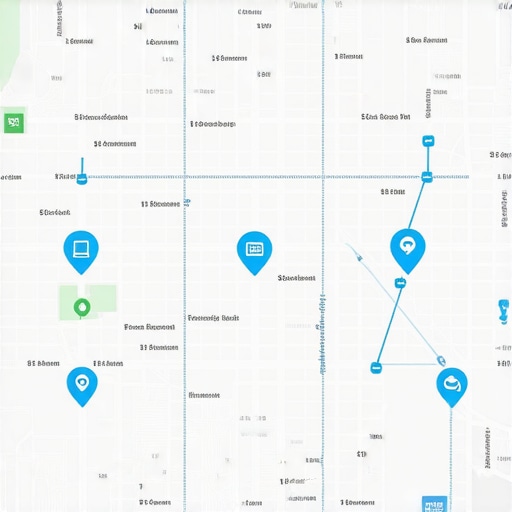
I remember the exact moment I realized my business was invisible on Google Maps. It was a frantic Saturday morning, and I eagerly checked my phone to see if new leads had come in. Nothing. No calls, no clicks — just silence. That’s when it hit me: despite pouring time into my Tucson SEO, I was missing a crucial piece of the puzzle. The digital landscape was shifting, fast, and if I didn’t adapt my maps optimization strategies, I’d be left behind.
Why Maps Optimization is More Critical Than Ever in Tucson
In 2026, Google’s zero-click searches are dominating local results, especially here in Tucson. This means many potential customers find what they need directly on the map or local pack without even visiting a website. If your business isn’t perfectly optimized, you’re essentially invisible to those ready-to-buy customers just a tap away. Early on, I made the mistake of treating maps ranking as a static task, underestimating its evolving nature. That misstep cost me valuable leads, and I don’t want you to go through the same.
Is Maps Optimization Still Worth the Hype?
Absolutely, but you need to know what works now. I once thought having a Google My Business profile with basic info was enough. Spoiler: it isn’t. As highlighted in an article on local SEO failures, many businesses overlook critical updates and errors that silently kill their rankings. Trust me, ignoring this aspect is a common mistake that can make or break your 2026 revenue.
So, are you facing the frustration of being lost in Tucson’s maps? Or perhaps you’re wondering why your competitors are flashing their maps results while you’re nowhere in sight? Don’t worry, the solution is within reach. Let’s dive into how you can tweak your maps optimization to ride this wave of change and turn zero-click into real leads. Ready to get started? Keep reading!
Claim Ownership of Your Google Maps Listing
Start by fully claiming your business profile through Google My Business. Ensure that all basic info—name, address, phone number—is accurate and consistent across platforms. When I claimed my Tucson shop’s profile, I immediately fixed incorrect phone details, which prevented lost calls. Consistency matters; check for discrepancies here.
Enhance Your Profile with Rich Content
Add high-quality photos and videos to showcase your offerings. Google favors fresh, engaging visuals—think of it as your virtual storefront. I uploaded a 360° tour and recent product images, which boosted user engagement signals and improved my map rankings. Consider adding a short video explaining your service to stand out here.
Optimize Your Business Citations and Listings
Distribute your NAP (Name, Address, Phone Number) info consistently across local directories, maps, and review sites. Use tools or audits to detect and correct citation errors, which are a silent ranking killer. I discovered mismatched addresses on some directories, so I corrected them following a dedicated audit. This small fix resulted in a notable boost in local pack visibility. For a comprehensive list, review here.
Leverage Local Keywords with Precision
Integrate geo-specific keywords naturally into your profile, services, and posts. Think of it like planting flags in your neighborhood—telling Google exactly where you are and what you do. When I optimized my service descriptions with terms like “Tucson SEO agency” and “local Tucson business,” I saw increased map impressions and calls. Use keyword research tools to find terms your customers are searching for, then weave them into your content thoughtfully.
Boost Engagement with Local Content and Offers
Create posts about local events, promotions, or community involvement to generate activity signals. Google notices active profiles—much like a busy shopfront. I posted about a Tucson community event, which triggered a spike in profile visits and map clicks. Regular updates keep your listing lively and relevant, especially ahead of major search algorithm shifts like those in 2026.
Monitor, Analyze, and Adjust Regularly
Use your insights to track profile views, search queries, and customer actions. Set routine checks for errors or outdated info. I kept a weekly dashboard, which revealed that my photos and reviews significantly impacted visibility. Optimizing maps isn’t a one-and-done task—it’s continuous refinement. For in-depth audit strategies, explore this audit guide.
Utilize the Latest in Maps Features and Updates
Stay ahead by adopting new tools—such as virtual tours or appointment booking—offered by Google. Implementing these can dramatically increase user interactions and conversions. I recently added an online booking button, which simplified customer actions and resulted in more leads. Regularly check for updates and test new features, paralleling how I experimented with recent profile changes here.
Many local businesses think that simply claiming their Google My Business profile is enough for maps success, but in reality, this is a common misconception. The truth is, most people overlook the nuanced strategies that differentiate top performers from the rest. For example, there’s a myth thatNAP consistency across directories automatically boosts rankings; however, according to expert analyses, aggressive citation management without context can sometimes backfire, especially if it leads to inconsistent info that confuses Google’s algorithms. Always be cautious with citation corrections, focusing on quality over quantity, and verify consistency using tools or audits like those detailed in this guide.
A trap many fall into is over-optimizing keywords within Google profiles, which can trigger spam filters and diminish your credibility. Instead, focus on natural language and localized entity data, aligning with recent advancements in AI search understanding, as highlighted in this resource.
Now, let’s address a vital question that often stumps even experienced SEOs:
How can I leverage advanced profile features like virtual tours or booking integrations without falling into common pitfalls?
Incorporating these features can dramatically boost engagement and local rankings, but only if executed correctly. For instance, adding a virtual tour isn’t just about upload; it requires high-quality, relevant visuals that tell your story authentically. Similarly, enabling booking options should be seamlessly integrated, ensuring your profile remains accurate and up-to-date—otherwise, you risk frustrating potential customers and harming your local SEO efforts. If you want to explore comprehensive strategies for utilizing these tools effectively, check out this article.
Remember, in Tucson’s competitive landscape, understanding and avoiding these advanced mistakes can be the difference between visibility and invisibility. Staying ahead means continuously refining your approach, avoiding shortcuts, and embracing nuanced tactics backed by industry insights. Have you ever fallen into this trap? Let me know in the comments.
Maintain Your Maps Strategy with Precision Tools and Processes
Keeping your Tucson maps optimization effective over time requires more than just initial setup. One of my go-to tools is BrightLocal, which offers comprehensive citation tracking and review monitoring. I personally rely on it because it provides automated alerts for inconsistent NAP data and review spikes, allowing me to act swiftly. For instance, I set up weekly alerts to ensure my citations stay aligned, minimizing discrepancies that Google penalizes.
Another essential component is regularly auditing your Google Business profile. I use the ServiceCore tool, which simplifies audits by highlighting profile inconsistencies, outdated info, or missing features like new services or booking options. Incorporating this audit quarterly helps me stay ahead of algorithm changes, especially with Google rolling out new features periodically.
Scaling local SEO techniques involves leveraging automation. I utilize SEMrush’s position tracking to keep tabs on my Tucson competitors and identify emerging search terms to target. This way, I stay proactive and adapt my content and mapping strategies before fluctuations impact my visibility. Consistent monitoring is key—think of it like maintaining a garden: regular pruning ensures your growth isn’t stifled by weeds or disease.
Looking ahead, the trend leans heavily toward AI-driven insights and real-time adjustments. Google’s evolving algorithms now favor more dynamic profiles backed with fresh content, reviews, and multimedia. Tools that can analyze and recommend updates in real-time will become more indispensable. According to a recent analysis by Moz, integrating AI insights in local SEO is a game-changer for small businesses aiming to stay competitive in 2026.
How do I keep my maps optimization performing over time?
Consistency is vital. Regularly updating your profile with fresh photos, videos, and posts signals activity to Google, which favors active listings. Plus, maintaining accurate citation data across all directories and reviews prevents ranking drops caused by conflicting information. I recommend setting a bi-weekly schedule to review and update these elements—it’s surprisingly effective in preserving high rankings and local visibility.
If you’re ready to take your Tucson maps optimization to the next level, consider implementing advanced features like video snippets or virtual tours, which Google pushes for higher engagement. Check out how adding a short, well-made Tucson shop tour can boost your map results and drive more foot traffic. For detailed guidance, this resource offers actionable tips to enhance your profile and stay competitive in 2026.
3 Lessons I Wish I Had Learned Earlier About Maps Optimization in Tucson
One of the most impactful realizations in my journey was understanding that maps visibility isn’t just about claiming a listing—it’s about active, strategic engagement. I used to treat my Google Business profile as a set-it-and-forget-it asset, but I soon saw how neglecting ongoing updates and local signals would handicap my Tucson SEO efforts. Another lesson was recognizing the subtle power of local content; sharing community involvement or local offers consistently boosted my profile’s relevance and rankings. Lastly, investing in the right tools and regular audits made a dramatic difference—silent errors or outdated info could slip through if I remained static. Embracing these lessons shifted my approach from reactive to proactive, and the results spoke volumes.
My Go-To Tools for Maps Mastery in Tucson
BrightLocal became my reliable partner for citation tracking and review management, ensuring my NAP consistency and customer feedback remained optimized. I also swear by ServiceCore for comprehensive profile audits, catching errors before they impact my local pack status. SEMrush’s position tracking kept me informed about competitor movements and emerging keywords, allowing me to adapt swiftly. Lastly, exploring Google’s new features like virtual tours and booking integrations through insights I found in expert guides has kept my profile ahead of the curve. These tools aren’t just utilities—they’re essential for sustained success in Tucson’s dynamic local search landscape.
Believe in the Power of Consistency and Innovation
In Tucson, where local competition is fierce and algorithm updates frequent, staying committed to your maps optimization strategy is crucial. Don’t let the frustration of initial setbacks deter you; each tweak and feature adoption is a step closer to visibility and leads. Remember, the future favors those who adapt, experiment, and persist. If you’re ready to elevate your Tucson maps game and turn zero-click searches into tangible revenue, now’s the time to act. How are you planning to refine your maps strategy in 2026? Share your thoughts below and let’s grow together.
About the Author
John Bord
Marketing and Customer Experience Consultant
John Bord is a seasoned Marketing and Customer Experience Consultant with a deep-rooted background in business leadership and strategic growth. Based in Atlanta, Georgia, John has established himself as a prominent figure in the utility industry, where he has honed his skills in navigating complex market dynamics and delivering high-impact results. His expertise spans across qualitative research, customer experience optimization, and comprehensive marketing strategies—all of which are critical components for the success of digital initiatives at seoservicestucson.com. John’s approach to marketing is data-driven and customer-centric, ensuring that every strategy is backed by rigorous research and a profound understanding of consumer behavior. With years of experience leading large-scale projects, John brings a unique perspective to the SEO landscape, bridging the gap between technical optimization and genuine user engagement. His ability to synthesize business objectives with customer needs makes him an authoritative voice for businesses looking to enhance their online presence. John is dedicated to sharing his wealth of knowledge to help organizations thrive in an increasingly competitive digital marketplace, driven by a genuine passion for helping others achieve sustainable success.