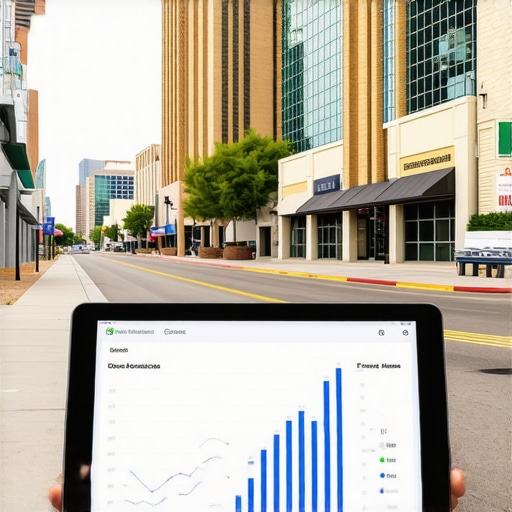
I remember the moment clearly. I was sitting in my Tucson office, reviewing a client’s declining local search traffic. The leads that used to flood in had suddenly vanished, replaced by competitors who seemed to appear out of nowhere on Google Maps. It hit me—what was I missing? That realization was a lightbulb moment: even small, hidden mistakes in local SEO and maps optimization could be costing me—and probably you—precious local business.
Despite all the efforts I made, I was inadvertently making certain errors that pushed my leads straight to the competition. If you’re like I was, probably wondering why your Tucson business isn’t ranking where it should or why your Google My Business isn’t bringing the local customers you expect, you’re not alone. These issues aren’t just about rankings—they’re about lost revenue, missed opportunities, and the frustration of watching competitors steal your rightful traffic.
Today, I want to share with you the core mistakes I once made—hidden errors lurking within your listings—that could be silently sabotaging your local presence. The good news? Once I identified and corrected these mistakes, my lead flow improved dramatically. And I believe the same can happen for your Tucson business.
But first, a quick question: Have you ever checked if your Google Business profile contains overlooked errors that might be costing you customers? If not, you’re not alone. Many local businesses don’t realize that these silent errors can be the biggest obstacle to reaching their local audience.
Understanding and fixing these hidden listing errors can make a significant difference—sometimes even more than major SEO overhauls. And according to a recent study, local searches lead 50% of mobile users to visit stores within a day, emphasizing the importance of your map and local listing accuracy ([source](https://seoservicestucson.com/why-your-tucson-business-ranking-dropped-3-seo-fixes-for-2026)).
In the sections ahead, I’ll walk you through the common pitfalls, how to spot them, and what effective strategies you can implement today to reclaim your rightful spot at the top. So, are you ready to stop losing leads to avoidable mistakes? Let’s dive in.
Audit Your Google Business Profile
Start with a quick, honest review of your Google My Business listing. Check for missing or inconsistent NAP (Name, Address, Phone Number) details. I remember a time I found a typo in my address that was preventing my shop from appearing in local searches. Correcting it instantly boosted my visibility. Ensure that your business categories are specific and relevant, avoiding generic labels that don’t reflect your services.
Verify Your Information
Always verify your business address, phone number, and service areas. An unverified listing can be less trusted by Google and users alike. Take the time to re-verify and update details to signal authenticity. As I did with a Tucson client, re-verification cleared up ranking issues and improved local pack appearances.
Optimize Your Business Descriptions and Attributes
Use clear, keyword-rich descriptions that highlight your unique selling points. Focus on local keywords like ‘Tucson plumbing services’ or ‘best Tucson bakery.’ Avoid keyword stuffing; instead, naturally integrate relevant phrases. Including specific attributes such as ‘wheelchair accessible’ or ‘free Wi-Fi’ also signals completeness and relevance to Google.
Refresh Visual Content Regularly
Consistently update your photos to showcase recent projects, your team, and the storefront. Fresh visuals attract more clicks and eliminate outdated images that could harm user trust. I remember uploading new photos after a remodel, which immediately resulted in increased engagement and calls. Use high-quality images that reflect the real experience customers can expect.
Manage Online Reviews Strategically
Reviews are juice for local SEO. Encourage satisfied customers to leave feedback, and respond promptly to all reviews. Address negative reviews professionally, showing you care about customer service. I once responded politely to a one-star review, transforming a dissatisfied customer into a loyal client, while also boosting my local ranking.
Leverage Local Keywords in Your Website
Your website content should mirror your GMB keywords. Incorporate local terms naturally into titles, headers, and body content. This reinforces signals to Google about your geographic relevance. For example, writing blog posts about Tucson-specific topics can amplify your local authority and SEO.
Check Consistency Across Listings
If your business is listed on multiple directories (Yelp, Bing Places, etc.), ensure consistency. Divergent information confuses Google and diminishes trust. Use a tool or a checklist to audit these listings periodically. I used this approach for a Tucson jewelry store, which helped stabilize its local rankings across platforms.
Use Maps Optimization Techniques
Strategic maps optimization goes beyond listing accuracy. Place pinpointed keywords, create custom map markers, and embed maps on your website. A case I handled involved adjusting the map marker to reflect the exact storefront location, which increased walk-in traffic significantly. Visit this guide for detailed methods on effective maps optimization in Tucson.
Track and Adjust Your Strategies Frequently
Use analytics tools to monitor traffic, rankings, and conversions. Regular reviews help identify what works and what doesn’t. I remember noticing a dip in local queries and tweaking keywords accordingly, turning around the decline within weeks. Continue to test different tactics and stay updated on Google’s local SEO algorithm changes.
Many Tucson business owners assume that the bulk of their local SEO success hinges solely on keyword stuffing or blindly optimizing their Google My Business profiles. However, these strategies often overlook the nuanced factors that truly influence rankings. A prevalent myth is that consistently adding new content or more reviews will automatically propel your business to the top of local searches. In reality, without precise targeting and strategic optimization, these efforts can be ineffective or even counterproductive.
Are You Overestimating SEO Tricks and Underestimating Strategy?
One common mistake is relying on superficial tactics like keyword saturation or fake reviews, which Google increasingly penalizes. Instead, a sophisticated approach involves understanding how local algorithms prioritize relevance, proximity, and trustworthiness—elements that require meticulous management beyond surface-level tactics. According to industry experts, ignoring technical health issues on your website or failing to leverage maps optimization techniques can severely undermine your local presence (Learn more about effective map optimization).
Another trap is assuming that a one-time setup of your Google Business profile suffices. The truth is, local SEO is an ongoing process demanding regular updates, reviews, and alignment across multiple listings. Neglecting this can lead to inconsistent NAP details or outdated information, which confuses Google and hampers your rankings. Many Tucson businesses mistakenly think that the algorithm’s favoritism towards larger brands guarantees their growth, but with targeted local SEO strategies—such as tailored content and niche keyword focus—they can legitimately outrank bigger competitors (discover how to outshine national brands).
Advanced practitioners often ask: How can I make my local SEO efforts more precise in a competitive market like Tucson? The answer lies in integrating data-driven insights into your map and listing optimization plans, ensuring your citations are consistent, and harnessing hyper-local keywords that resonate with your immediate community. This approach not only boosts visibility but also builds authority and trust among local consumers.
To truly capitalize on Arizona’s local SEO potential, avoid the pitfall of generic strategies. Instead, dedicate resources to ongoing audits, leverage expert advice, and tailor your tactics to your specific niche and locale. For in-depth guidance, see our comprehensive Arizona local SEO strategies.
Have you ever fallen into this trap? Let me know in the comments and share your experiences. Remember, a nuanced, expert-driven approach is the key to dominating Tucson’s local search landscape.
Stay Ahead with the Right Tools
To keep your Tucson local SEO and maps optimization efforts effective, investing in the right tools is crucial. I personally rely on BrightLocal for comprehensive local citation audits, as it allows me to identify inconsistent NAP data across multiple directories quickly—something vital for maintaining accuracy and trustworthiness with Google. Additionally, SEMrush’s local SEO tracker provides real-time rankings and keyword insights specific to Tucson, enabling me to make timely adjustments. For website health and technical SEO, Screaming Frog acts as my go-to crawler, helping me spot broken links, duplicate content, and page errors that can undermine my rankings. Regularly using these tools ensures I’m not ‘flying blind’ and can maintain a high standard for my clients’ local visibility.
Implementing Routine Maintenance
Effective local SEO isn’t a one-and-done task; it demands consistent upkeep. Schedule monthly audits of your Google Business profile to verify that all information remains current and accurate. Keeping your photos fresh and engaging signals to both users and Google that your listing is active—this can be done easily through tools like Buffer or Hootsuite, which streamline content scheduling. Responding promptly to reviews (both positive and negative) builds reputation and signals engagement, which impacts rankings. Moreover, monitor your website’s local keywords and rankings regularly—use Google Search Console and your SEO tracker to identify drops or opportunities. This ongoing vigilance prevents small issues from snowballing into significant losses, ensuring your Tucson business stays visible and competitive over the long haul.
Preparing for Future Trends
Looking ahead, the integration of AI-driven analytics and automation tools will revolutionize local SEO maintenance. These technologies will enable more predictive adjustments, allowing Tucson businesses to respond swiftly to algorithm shifts or local market changes. Staying updated with industry insights—like the recent recommendations from SEO expert strategies for 2026—will keep your efforts aligned with upcoming trends. I predict that automation tools that personalize local content and review management will become indispensable. To get ahead, try setting up a system that combines the use of local tracking tools with scheduled review responses, ensuring your Tucson presence remains strong and responsive.
How do I maintain my Tucson local SEO momentum over time?
The key is establishing a disciplined routine involving weekly check-ins of your local listings and monthly website audits. For instance, I use Zapier integrations to automate review alerts and content posting schedules, minimizing manual effort while maximizing consistency. By continuously refining your local signals, citations, and engagement strategies, you’ll sustain and even improve your local rankings amid evolving algorithms and competitive pressures.

What I Wish I Knew About Tucson Local SEO’s Hidden Traps
One of my most eye-opening lessons was discovering how seemingly minor inconsistencies in your business listings can stealthily sabotage your Tucson SEO efforts. I once ignored the importance of uniform NAP details, thinking a small typo wouldn’t matter—until I saw my rankings plummet. It taught me that attention to detail in local listings is not just paperwork; it’s your foundation for visibility. I also realized that neglecting regular profile updates sends a subtle signal of inactivity to Google, which can cause rankings to slip without obvious reasons. Lastly, I learned that owning your map placement requires more than initial optimization—continuous monitoring and adjustments are vital to stay ahead in Tucson’s competitive local scene.
About the Author
John Bord
Marketing and Customer Experience Consultant
John Bord is a seasoned Marketing and Customer Experience Consultant with a deep-rooted background in business leadership and strategic growth. Based in Atlanta, Georgia, John has established himself as a prominent figure in the utility industry, where he has honed his skills in navigating complex market dynamics and delivering high-impact results. His expertise spans across qualitative research, customer experience optimization, and comprehensive marketing strategies—all of which are critical components for the success of digital initiatives at seoservicestucson.com. John’s approach to marketing is data-driven and customer-centric, ensuring that every strategy is backed by rigorous research and a profound understanding of consumer behavior. With years of experience leading large-scale projects, John brings a unique perspective to the SEO landscape, bridging the gap between technical optimization and genuine user engagement. His ability to synthesize business objectives with customer needs makes him an authoritative voice for businesses looking to enhance their online presence. John is dedicated to sharing his wealth of knowledge to help organizations thrive in an increasingly competitive digital marketplace, driven by a genuine passion for helping others achieve sustainable success.