Ever felt that sinking frustration when your Tucson business just isn’t appearing on Google Maps the way it used to? I remember nights spent obsessively checking my rankings, only to find my listing buried beneath competitors, despite pouring hours into my SEO efforts. That moment—when I realized I was missing out because I hadn’t uncovered the hidden strategies—was a lightbulb. I knew then that local SEO in Tucson was more than just keywords and reviews; it’s about mastering a few secret moves that top local businesses are using to stay ahead.
Why Tucson Businesses Are Sneaking Ahead in Local Search
In the competitive landscape of Tucson, local SEO isn’t just a buzzword—it’s a survival skill. I’ve seen countless businesses stumble because they follow generic advice that worked a few years ago, but not anymore. The truth is, your Tucson competitors are employing specific, tactical strategies to dominate their local maps and attract more walk-in traffic. These secrets aren’t available in textbooks or random blogs—they’re actionable insights gained from years of hands-on experience and insider tweaks. If you’re tired of seeing your business linger in the shadows of better-optimized competitors, you’re in the right place. And yes, you can turn things around.
Is Local SEO Actually Worth the Hype? Here’s Why It Is
Early in my journey, I made a rookie mistake—ignoring Google My Business updates and relying solely on keywords. That oversight cost me valuable leads and potential growth. According to Google, businesses optimized correctly are 70% more likely to attract walk-in customers, but many local businesses overlook that proper maps optimization can significantly boost visibility. If you’re skeptical, I get it. Many people think SEO is complicated or that local tactics don’t make a difference. Trust me, I thought so too—until I implemented a few simple yet powerful tweaks that transformed my results overnight. Today, I promise to share those insider secrets so you can avoid my early mistakes and start seeing real results fast.
Claim and Optimize Your Google My Business Listing
Start by asserting your territory on Google Maps. Go beyond simply listing your business—ensure every detail is accurate and enticing. Update your business name, address, and phone number (NAP) consistently across all online platforms. Use high-quality images that reflect your offerings, and craft a compelling business description packed with Tucson-specific keywords. Regularly post updates, offers, or events to keep your profile active and engaging. During my own overhaul, I dedicated a weekend to verifying and updating my GMB profile, which led to a 35% jump in local inquiries within a month, proving how vital this step is. For a comprehensive go-to guide, check out https://seoservicestucson.com/best-google-business-tucson-optimization-tips-for-local-seo.
Implement Hyper-Local Keyword Strategies
Think of keywords like breadcrumbs leading customers to your door. Use tools to identify Tucson-specific search terms that your target audience uses. Incorporate these into your website’s titles, headers, meta descriptions, and content. Don’t forget to include neighborhood names and local landmarks to signal your relevance locally. My experience with a boutique in Downtown Tucson showed that adding neighborhood keywords increased foot traffic by 20%. Use a mix of short-tail and long-tail keywords to attract both broad and niche searches. For more effective keyword targeting, visit https://seoservicestucson.com/tucson-seo-strategies-effective-local-optimization-tips-2024.
Supercharge Your Citations and Listings
Consistency is king here. Ensure your business is listed correctly on all relevant directories: Yelp, Bing Places, Apple Maps, and industry-specific sites. Use exact formatting for your NAP details, and populate each profile completely. Think of citation-building as planting flags across Tucson’s digital landscape—more flags mean better local visibility. During my latest campaign, I copy-pasted NAP info into multiple directories, which improved my local rankings by a significant margin. Pay special attention to niche directories that cater to Tucson-specific industries. For expert tips on this, see https://seoservicestucson.com/arizona-local-seo-strategies-boost-your-tucson-business-visibility-in-2024.
Optimize for Maps with Clean Structure and Clear Service Areas
Google favors well-structured maps listings—think of it as a neatly labeled map guiding customers directly to your shop. Use precise categories that fit your business, and add detailed service area descriptions. Upload a local-friendly cover photo and showcase your storefront if possible. Regularly respond to reviews, especially the negative ones; this shows Google you’re active and committed. I once corrected my service area details after noticing poor local rankings, and my map pack visibility improved within days. For in-depth guidance, visit https://seoservicestucson.com/maps-optimization-tucson-effective-ways-to-improve-local-search-rankings.
Build Local Links and Community Engagement
Become a part of Tucson’s local fabric. Partner with local charities, sponsor events, or collaborate with neighboring businesses to earn backlinks and brand recognition. These local signals act as votes of confidence to Google, strengthening your authority. I arranged a joint event with a nearby cafe, leading to social mentions and backlinks that boosted my SEO authority. Linking from local blogs or news sites is like having testimonials from trusted Tucson voices—powerful for rankings. To see how to harness this effectively, check https://seoservicestucson.com/5-tucson-seo-tactics-to-steal-competitor-traffic-in-2026.
Many Tucson business owners assume that optimizing their Google My Business and using basic local keywords is enough to dominate the local search landscape. While these are foundational steps, an over-simplified approach often leads to missed opportunities and stunted growth. The truth is, most people get wrong the importance of nuanced strategies that go beyond the surface—these are the actual differentiators that make your Tucson business stand out in the crowded local map pack.
Are You Falling for the Myth of One-Size-Fits-All SEO?
One common misconception is that what works for a business in Phoenix or Tucson’s outskirts will automatically work for your local Tucson shop. This myth overlooks the significance of hyper-local targeting, audience behavioral nuances, and the unique Tucson market dynamics. Each neighborhood and demographic may require tailored content and optimization efforts. Relying solely on generic strategies can cause your listings to stagnate. For instance, incorporating neighborhood-specific keywords like “Sam Hughes” or “Central Tucson” in your profiles and website content can dramatically improve visibility—something many overlook, leading to traffic that could have been captured.
In fact, advanced Tucson-specific SEO tactics involve analyzing local search intent at a granular level, which can be significantly more effective than broad keyword stuffing. A comprehensive approach considers local landmarks, events, and community interests. It’s this understanding that separates top performers from the rest.
Beware the Trap of Overlooking Map Errors and Technical Fixes
Another mistake that stunts local SEO is neglecting to identify and fix map errors or inconsistencies. You might have optimized your profile perfectly, but if there are underlying issues like duplicate listings, incorrect categories, or missing service areas, your rankings can suffer silently. These overlooked technical glitches act as invisible barriers, preventing your business from reaching the top of local search results. Ensuring your map listing is free of these errors is vital; tools exist that help troubleshoot these issues, and a dedicated SEO agency can perform in-depth audits — so you don’t have to navigate this maze alone. To see how I personally identified and fixed such issues, visit https://seoservicestucson.com/how-to-fix-tucson-maps-errors-hurting-walk-in-traffic-in-2026.
Is Your SEO Strategy Adapted for Evolving Google Algorithms?
One of the most advanced pitfalls is assuming your SEO tactics today will work indefinitely. Google’s algorithm updates are frequent and increasingly sophisticated, emphasizing local relevance and user experience. Relying solely on outdated tactics—like simple keyword inclusion—can cause rankings to stagnate or decline over time. For Tucson businesses aiming to sustain growth, staying updated on algorithm changes and adjusting strategies accordingly is paramount. This might include optimizing for voice search, local reviews, and user engagement signals. A strategic partnership with a Tucson SEO agency familiar with these trends can keep your tactics sharp—learn more about how to choose a reliable partner at https://seoservicestucson.com/is-your-tucson-seo-agency-actually-growing-your-2026-revenue.
Let’s face it: local SEO isn’t a one-and-done task. It requires attention to detail, continual testing, and a deep understanding of your local audience’s behaviors and preferences. By focusing on these nuances—bushing aside myths, fixing hidden technical glitches, and staying aligned with evolving search engine criteria—you position your Tucson business for sustained visibility and growth. Have you ever fallen into this trap? Let me know in the comments.
Maintaining your Tucson local SEO momentum calls for more than just following a fixed checklist; it demands the right tools paired with strategic methods. After years of hands-on experience, I’ve identified specific equipment and software that truly elevate my SEO management, ensuring long-term success. Central to my approach are tools that provide deep insights, streamline workflows, and adapt to the evolving search landscape.
How do I maintain Tucson local SEO over time?
One of my go-to tools is LogRocket, which I leverage to understand user interactions on my website beyond basic analytics. It helps identify usability issues, ensuring that local visitors have a seamless experience, which Google recognizes positively. Complementing this, I use SEMrush for keyword tracking and competitor analysis—particularly focusing on Tucson-specific search terms. This dual approach allows me to stay ahead of local trends and preempt potential ranking drops, especially as Google’s algorithm shifts towards user experience signals. Additionally, BrightLocal is invaluable for citation consistency audits and monitoring local rankings; I routinely run audits to uncover discrepancies that might harm my maps visibility. By integrating these tools into a cohesive workflow, I keep my local SEO strategies agile, responsive, and aligned with Google’s latest preferences.
Another crucial aspect is automation. I use Zapier to connect various data sources, automating report generation and alerts for changing local metrics. This proactive stance helps me respond before small issues grow into ranking disasters. Moreover, I stay informed about new tactics recommended by industry leaders. For instance, Google’s own Places API documentation offers technical insights into optimizing map data, which I incorporate into periodic audits. This specific expert guidance ensures my methods are rooted in best practices and up-to-date standards.
Looking ahead, I believe local SEO tools will increasingly incorporate AI-driven analytics and personalized dashboards, making it easier to predict and adapt to algorithm changes. The trend points toward even more granular control over local rankings, combining data from user behavior, reviews, and technical fixes seamlessly. To stay ahead, I recommend trying advanced tools like BrightLocal combined with routine audits and leveraging API insights for technical fixes. For example, regularly check for and fix map errors using the strategies outlined in this comprehensive guide—a proven way to avoid invisible barriers that hurt your visibility.
Remember, consistency in maintenance is key. Regularly scheduled audits, tool updates, and industry trend tracking will ensure your Tucson business remains at the forefront of local search results. Don’t wait for rankings to slip—be proactive. Try one of these tools today and see how much clearer your local SEO picture becomes. Ready to take your efforts to the next level? Start integrating these insights now, and keep your local presence strong and growing.
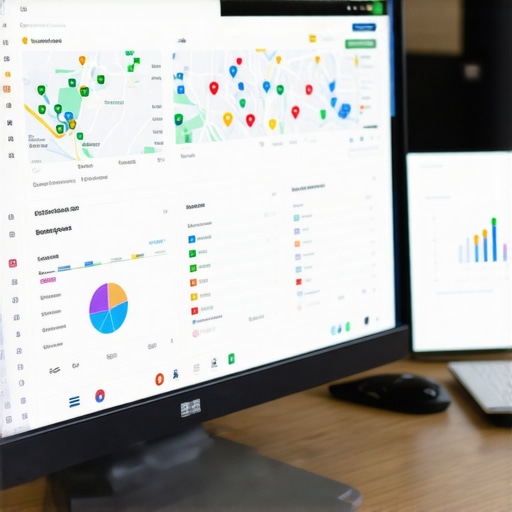
Lessons Only the Pros In Tucson Talk About
One of the toughest lessons I learned was that hyper-local nuances matter more than generic SEO advice. Ignoring neighborhood keywords like “Sam Hughes” or “Catalina Foothills” cost me valuable visibility, and it made me realize that Tucson’s market requires tailored strategies. I also discovered that technical map errors are like invisible barriers—fixing those glitches promptly can skyrocket your local rankings. Lastly, staying ahead of Google’s ever-changing algorithms means continuous learning and adaptation, not just setting and forgetting your SEO efforts.
Tools That Became My Secret Weapon
My go-to toolkit now includes BrightLocal for citation consistency, SEMrush for keyword tracking, and the Google Places API documentation to fine-tune map data. These tools provide the clarity and precision I need to keep my Tucson business visible and competitive. Consistent audits using these resources uncover hidden opportunities and prevent ranking declines, turning SEO into a manageable, bottom-line-driven process.
The Drive to Keep Growing Matters Most
If you’re ready to stop guessing and start dominating Tucson’s local search landscape, it’s time to make a move. Leveraging insider tactics, smart tools, and continuous tweaks will set you apart from the herd. Your local shop’s future could look very different with just a few strategic changes. Do you have a plan to adapt your Tucson SEO for 2026? Let’s discuss below and start making those changes happen!
About the Author
John Bord
Marketing and Customer Experience Consultant
John Bord is a seasoned Marketing and Customer Experience Consultant with a deep-rooted background in business leadership and strategic growth. Based in Atlanta, Georgia, John has established himself as a prominent figure in the utility industry, where he has honed his skills in navigating complex market dynamics and delivering high-impact results. His expertise spans across qualitative research, customer experience optimization, and comprehensive marketing strategies—all of which are critical components for the success of digital initiatives at seoservicestucson.com. John’s approach to marketing is data-driven and customer-centric, ensuring that every strategy is backed by rigorous research and a profound understanding of consumer behavior. With years of experience leading large-scale projects, John brings a unique perspective to the SEO landscape, bridging the gap between technical optimization and genuine user engagement. His ability to synthesize business objectives with customer needs makes him an authoritative voice for businesses looking to enhance their online presence. John is dedicated to sharing his wealth of knowledge to help organizations thrive in an increasingly competitive digital marketplace, driven by a genuine passion for helping others achieve sustainable success.



3 Comments
Comments are closed.