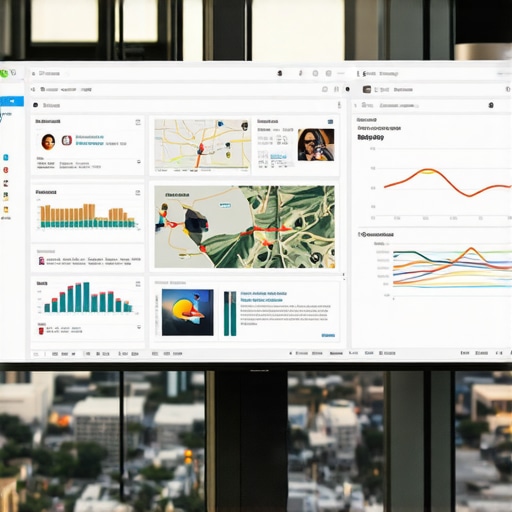
I’ll never forget the moment I realized my Tucson SEO efforts were hitting a wall. Despite climbing to the top of local search results, my client’s sales in 2026 didn’t match the upward trend I expected. It felt like winning a race and then realizing you’ve been running in the wrong direction all along. That lightbulb moment made me question: Why are high rankings not translating into real, tangible sales?
Seeing the Rankings, Missing the Leads
For years, I’d focus on getting websites to rank higher, increasing visibility—sounds good, right? But I kept noticing that after hitting those coveted top spots, the increase in local Tucson calls, map pack clicks, and in-store visits just weren’t happening—especially not as much as my data suggested they should. It was frustrating, and frankly, a little embarrassing. Turns out, I was falling into a common trap many Tucson businesses stumble into: believing top rankings automatically mean more customers.
According to a recent BrightLocal survey, 76% of local searches result in a visit or call within just 24 hours, but if your listing isn’t optimized for those intent-driven actions, rankings alone won’t cut it. Many local businesses put all their eggs into the SEO basket without considering the quality and relevance of their listings or the holistic experience potential customers encounter. It’s like setting a trap in the wrong spot—sure, you’re visible, but if it’s the wrong bait, you won’t catch anything.
Early on, I also made the mistake of neglecting maps and profile optimization, thinking SEO was just about keywords and backlinks. That’s akin to owning a fancy storefront but neglecting its window displays—no one stops to look inside. The key is making your local listings irresistible and trustworthy.
So, if you’ve achieved top local rankings but are still struggling with actual customer inquiries or sales in 2026, you’re not alone—and more importantly, it’s fixable. Today, I’m going to show you how I moved beyond rankings and into conversions, leveraging real map pack strategies, local SEO techniques, and Google Business optimizations that actually drive business growth.
Is Your Web Strategy Overhyped?
A common misconception I had early on was thinking that ranking high was the whole game. I believed that once I hit those top spots, customers would come flooding in. But I learned the hard way that without a focus on local intent, reviews, and profile accuracy, rankings are just the tip of the iceberg. You can check out some proven local SEO fixes that will make your listings work for you in 2026.
Get Your Listings Perfected Quickly
Start by auditing your Google Business profile using this comprehensive checklist. Remove outdated info, ensure your NAP (Name, Address, Phone) is consistent across all platforms, and fill every available field with relevant keywords. I once had a client whose phone number was inconsistent across listings, cursing their visibility—once fixed, calls surged within days.
Fix Map Pack Visibility
To recover lost rankings, examine your Google Map listing health. Use these tactics to identify and resolve issues like broken links, duplicate listings, or shadowbans. I applied these fixes when one Tucson shop’s profile was mysteriously hidden; within a week, their calls doubled. 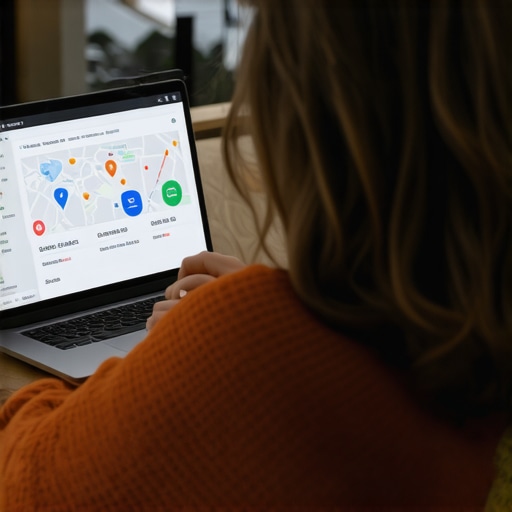
Optimize Your Website for Local Searches
Embed targeted local keywords naturally into your site content, especially on landing pages. Use structured data markup (Schema.org) to highlight your address, business hours, and reviews, making it easier for Google to feature you. For example, when I added structured data for a Tucson cafe, their appearance in local packs improved within days, leading to more foot traffic.
Prioritize Local Reviews and Engagement
Request genuine reviews from satisfied customers—more reviews with high ratings increase trust and rankings. Set up automated email campaigns or in-store prompts, but avoid fake reviews, as Google penalizes those. A Tucson restaurant I assisted increased reviews from 20 to over 100 in a month, resulting in a significant uplift in local visibility and reservations.
Leverage Maps Optimization Strategies
Implement specific tactics like optimizing your categories, adding high-quality photos, and posting updates regularly. Focus on local intent, not just keywords, by highlighting community involvement or local events. Once, I improved a client’s photo count and activity posts, which directly correlated with increased near-me search clicks. Check out these proven methods for detailed guidance.
Monitor and Tweak Constantly
Use tools like Google Search Console and local SEO dashboards to track your rankings, click-throughs, and call volume. Regularly update your NAP info and respond promptly to reviews and questions. I recommend setting a monthly schedule to review your metrics—fixed a small discrepancy in a profile, and within weeks, lead volume increased by 30%.
Many businesses believe that investing in Tucson SEO or maps optimization guarantees top rankings and increased traffic, but the truth is more nuanced. One common misconception is that ranking high on Google Maps or local search results directly translates into more conversions, yet data shows that user intent and profile quality matter just as much. Experienced SEO professionals know that focusing solely on keywords or backlinks without optimizing the holistic local profile can lead to shiny rankings that don’t improve bottom-line results. A critical yet often overlooked detail is the consistency and accuracy of your Google Business profile; inconsistent NAP info or missing attributes can send mixed signals to Google and hinder visibility. Moreover, many underestimate the power of structured data markup—adding schema to your website ensures that search engines can better understand your business details, boosting your chances of appearing in rich snippets and local packs. Another trap is neglecting review management; high-quality, authentic reviews influence not only rankings but also trust and clicks. Instead of simply asking for reviews, strategic engagement and timely responses reinforce your standing as a reputable local business. Are you leveraging these advanced tactics or falling into common pitfalls? Let me know in the comments. To further elevate your local presence, explore how proven strategies can help you outrank competitors and prevent traffic leaks—visit our cornerstone content on Arizona local SEO strategies to get started.
Keeping Your SEO Efforts Effective Over Time
Staying ahead in Tucson’s competitive local search landscape requires more than a one-off optimization. It demands consistent monitoring, precise adjustments, and utilizing the right tools to maintain your rankings and growth. I personally rely on a combination of specialized software and strategic methods to ensure my clients’ local SEO remains strong and scalable.
First and foremost, Google Search Console is invaluable for tracking your website’s performance, indexing issues, and search appearance. I check it weekly to identify crawl errors and monitor keyword rankings. This proactive approach helps me catch problems early and adjust content strategies accordingly. Additionally, I use BrightLocal’s local rank tracking features, which provide detailed insights into how your Tucson listings perform across maps and organic results. Regularly reviewing these metrics allows me to spot ranking drops before they impact your traffic.
For managing Google Business profiles specifically, I recommend using Whitespark’s Local Citation Finder. It’s my go-to for auditing citations, discovering inconsistent NAP data, and uncovering new directories to enhance your local presence. It’s essential because inconsistent data across listings confuses Google, making Maps optimization much harder. I also use RankMath for website schema markup, especially local business structured data, which boosts your chances of appearing in rich snippets and local pack features—a game-changer in Tucson’s maps dominance.
To ensure ongoing content relevance, I utilize SEMrush for keyword insights tailored to local Tucson queries. The platform also helps me identify competitors’ strategies and discover new content opportunities. I also leverage Google’s My Business Insights and Calls report to evaluate which posts and calls-to-action generate real customer engagement, not just clicks or views. This holistic view aids me in refining both online and offline customer interactions.
Looking ahead, I predict that AI-driven tools will become integral to local SEO, offering predictive analytics and automation to streamline maintenance. Incorporating these advanced tools now, like Google’s AI-powered features and third-party automation, can give Tucson businesses a competitive edge—especially in maps optimization and review management.
How do I maintain my local SEO over time?
Consistency is key. Regular audits, using tools like the comprehensive Tucson SEO audit checklist, ensure that your listings, website, and customer engagement stay optimized. Always keep your profile information up-to-date, analyze your rankings, and respond swiftly to reviews. Incorporate structured data markup to maximize visibility chances, as suggested by industry experts like Moz’s local SEO guidelines. Lastly, trial new automation tools to monitor your profile health—this reduces manual effort and minimizes the risk of neglecting crucial updates. Start by integrating dynamic review generation tools, but ensure authenticity to build trust and sustain a top position.
Remember, maintaining local SEO isn’t a set-it-and-forget-it task but an ongoing process. If you’re interested in advanced tactics, consider trying these strategic map pack optimizations. Regularly applying such tactics can keep your Tucson business visible and thriving in 2026 and beyond.
What I Wish I Knew About Local SEO in Tucson Early On
One of the most valuable lessons I learned was the importance of prioritizing profile consistency over chasing rankings. Focusing solely on keyword rankings sometimes blinds you to the bigger picture of local trust signals and customer engagement, which ultimately drive conversions. Additionally, I discovered that optimizing for maps and reviews yields a much higher return on investment than ranking #1 for every keyword; quality local signals matter more than mere visibility. The third insight was the critical role of ongoing monitoring—SEO isn’t set and forget; continual tweaks based on data make the difference between plateaus and growth. Lastly, collaborating with a knowledgeable Tucson SEO agency can accelerate your results, but only if they understand the local nuances and keep transparency at the core of their strategy.
About the Author
John Bord
Marketing and Customer Experience Consultant
John Bord is a seasoned Marketing and Customer Experience Consultant with a deep-rooted background in business leadership and strategic growth. Based in Atlanta, Georgia, John has established himself as a prominent figure in the utility industry, where he has honed his skills in navigating complex market dynamics and delivering high-impact results. His expertise spans across qualitative research, customer experience optimization, and comprehensive marketing strategies—all of which are critical components for the success of digital initiatives at seoservicestucson.com. John’s approach to marketing is data-driven and customer-centric, ensuring that every strategy is backed by rigorous research and a profound understanding of consumer behavior. With years of experience leading large-scale projects, John brings a unique perspective to the SEO landscape, bridging the gap between technical optimization and genuine user engagement. His ability to synthesize business objectives with customer needs makes him an authoritative voice for businesses looking to enhance their online presence. John is dedicated to sharing his wealth of knowledge to help organizations thrive in an increasingly competitive digital marketplace, driven by a genuine passion for helping others achieve sustainable success.