I remember the day I realized I had been duped by an SEO agency right here in Tucson. It was a frustrating, almost embarrassing moment—the kind that makes you question every alibi you’ve ever had about digital marketing. I’d poured money into a local SEO campaign, eager to see my business climb the rankings, only to find that some of the promised results were nowhere near reality. That lightbulb moment pushed me to dig deeper, to truly understand whether Tucson SEO agencies are genuinely helping or just faking the results to keep clients hooked.
If you’ve been skeptical about the promises made by your SEO provider—whether it’s about boosting your local map pack, increasing calls from Google Business listings, or outranking national brands—you’re not alone. Many local businesses in Tucson find themselves wondering if they’re getting the real deal or simply paying for smoke and mirrors. The truth is, in a rapidly evolving SEO landscape set to change even more in 2026, knowing the signs of a fake agency can save you thousands—and your reputation.
Today, I want to get real about how to spot the telltale signs that your Tucson SEO agency might be faking results. I’ll share insights based on my own pitfalls and successes—because I’ve been there—and offer practical steps to ensure your investment actually drives the growth you’re aiming for. Just as a well-optimized Google My Business can bring in local walk-ins, so can spotting the red flags prevent losing your hard-earned money in hollow promises.
Are Tucson SEO Agencies Really Worth the Hype?
One mistake I made early on was blindly trusting shiny report numbers without digging into what those numbers actually meant. I learned the hard way that some agencies inflate metrics to make their services seem more effective than they truly are. According to a recent study by Moz, nearly 50% of SEO reports can be misleading or overly optimistic, which is alarming but not surprising when you realize how much is at stake for local businesses.
If you’re feeling that your SEO results aren’t aligning with your expectations, you might be unknowingly caught in this trap. But fear not—there are clear signs to watch out for. By recognizing them, you can demand transparency and better results from your Tucson SEO partner. Ready to ensure your SEO dollars are working as hard as they should? Let’s explore the four biggest red flags to watch for in 2026.
Analyze Their Reporting Credibility
Start by examining how your potential agency presents data. If reports are filled with vague metrics or overly optimistic numbers like “top rankings” without showing real keyword positions, it’s a red flag. I once hired an agency that sent monthly reports highlighting “impressive” increases in traffic, but when I dug into Google Search Console data, I saw no actual ranking improvements. To avoid this, request detailed rankings, local pack visibility, and organic traffic breakdowns. If they resist or give vague responses, consider it a sign they may be faking results.
Verify Their Local Knowledge and Strategies
Good Tucson SEO providers understand the local market nuances. Ask about their specific tactics for Tucson maps optimization, Google Business profiles, and how they target Arizona-specific keywords. For instance, I once worked with an agency claiming to improve “local visibility” but didn’t tailor their approach to Tucson’s unique neighborhoods or search behaviors. A trustworthy agency should provide case studies, local keyword strategies, and demonstrate familiarity with Tucson’s map pack quirks. Avoid those who pitch generic SEO tactics without local customization.
Check Their Track Record with Local Listings
Your agency should actively optimize and audit your Google Business and local directory listings. If they avoid discussing map rankings, reviews, or local citations, they might be neglecting core elements of Tucson SEO. I faced this firsthand when an agency refused to update my business NAP (Name, Address, Phone number), leading to inconsistent map rankings. To verify competence, request recent evidence of improved local pack rankings or visibility. Use tools and resources like these Tucson Google Business fixes to compare before-and-after results.
Demand Transparency on Backlink and Content Strategies
Beware of agencies that promise quick rankings via shady link-building or spammy content farms. Instead, ask how they build authority and trust with Google. I once caught an agency employing low-quality backlinks, which temporarily boosted rankings but eventually resulted in penalties. A reputable Tucson SEO firm should have transparent link-building practices, focusing on local citations, high-quality content, and schema implementation. Review their content plan, and if they hesitate to share specifics, consider it a warning sign.
Test Their Communication and Issue-Resolution Approaches
Effective agencies keep clients informed and address concerns promptly. Give their team a trial run with questions about recent map pack algorithm changes or how they handle Google My Business ghost errors. I experienced frustration when an agency ignored my email inquiries regarding map visibility drops. An agency with genuine expertise will provide clear explanations and actionable solutions, such as these fixes. If they dodge questions or give vague answers, move on.
Perform a Local Market Check
Cross-reference their claims with your local competitors in Tucson. Use tools like Google’s local pack to see who ranks for your primary keywords. If the agency’s clients aren’t outperforming local chains or independent shops, their strategies might be ineffective. I did a quick search for “Tucson coffee shop” and noticed my agency’s client ranking below major chains—a clear disconnect from their promises. Consistently compare rankings before and after hiring, and ensure their tactics lead to tangible local presence growth.
Many local business owners in Tucson believe that simply ranking high on Google is enough to guarantee steady traffic and leads, but this is a dangerous misconception. In my experience, there’s a nuanced layer to Tucson SEO that many overlook—especially when it comes to the intricacies of Maps optimization and local schema markup. For instance, some assume that keywords alone will do the trick, but current algorithms prioritize user intent and experience over mere keyword density, as highlighted in Moz’s recent study on evolving SEO factors. Relying solely on traditional tactics without understanding these deeper nuances can lead agencies to deliver false promises, leaving businesses frustrated. Have you ever fallen into this trap? Let me know in the comments. Additionally, many believe that Google Business profiles are ‘set and forget,’ but ongoing optimization, including review management and local schema, is crucial for sustained visibility. This constant evolution often catches even seasoned digital marketers off guard, especially with the rise of AI-driven search results and voice searches in 2026. For example, mastering local schema implementation, like these schema fixes, can significantly boost your visibility in the Tucson area. Another overlooked aspect is understanding the common myths surrounding backlinks; many think quantity surpasses quality, but Google’s algorithms now favor authoritative, locally relevant links. Failing to recognize this shift can lead to wasted efforts on spammy link-building tactics. As I often warn, always assess your agency’s approach to link acquisition to avoid penalties. Remember, the real edge in Tucson SEO in 2026 comes from a strategic blend of local expertise, technical precision, and staying ahead of algorithm changes. If you’re working with an SEO agency that doesn’t prioritize these advanced nuances, it’s time to reconsider. To dive deeper into what separates effective Tucson SEO from the amateurs, check out my comprehensive guide on avoiding red flags here. Your local visibility depends on it.
How do I maintain Tucson SEO success over time?
Staying on top of your local SEO game requires a strategic toolkit and regular maintenance. I personally rely on a combination of advanced tools like SEMrush and Ahrefs for tracking keyword rankings and backlink profiles—these platforms provide real-time data and insights specific to Tucson’s unique market. Additionally, I use Google Search Console daily to monitor site health, identify crawl errors, and track search performance, which is crucial for maintaining visibility in maps optimization Tucson. To ensure ongoing local relevance, I implement Schema Markup for local business details, enhancing my chances of appearing prominently in the Tucson map pack.
Content freshness is critical, so I utilize scheduling and content auditing tools like Yoast SEO Premium and SEMrush SEO Writing Assistant. These help me keep my site updated with locally relevant blog posts and service updates, which search engines love. Regular local audits using tools like Whitespark Local Citation Finder ensure my citations are consistent across all Tucson directories, preventing discrepancies that could hurt rankings. As the SEO landscape evolves, especially with AI search filters becoming more sophisticated, adopting automation tools and analytics dashboards helps me stay ahead and adapt my strategy accordingly.
How do I ensure long-term results with tools and maintenance?
Long-term Tucson SEO success hinges on continuous monitoring and adjustment. Schedule monthly reviews of your analytics and rankings, looking for trends or sudden drops that require immediate action. Maintain your Google Business profile by actively managing reviews and adding new photos—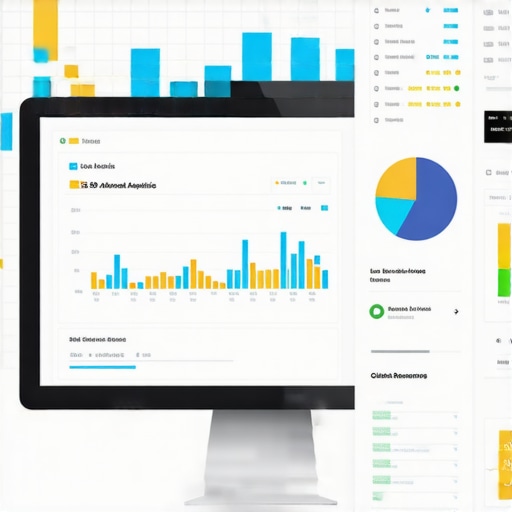 —which can impact your visibility in local searches. Consistent backlink profile audits, focusing on locally relevant and authoritative links, prevent your site from losing its edge due to shady link schemes or algorithm updates. Additionally, stay informed about emerging tools and updates, like Google’s recent emphasis on local schema updates, which you can implement following Google’s official guidelines.
Investing in these tools and routines now will compress your learning curve and boost your ROI as the algorithms get even smarter. To avoid being misled by agencies that skip these critical steps, review my guide on red flags in local SEO providers and make an informed choice.
Lessons No One Tells You About Navigating Tucson SEO
One of the hardest lessons I learned was that not all SEO agencies are created equal, especially in Tucson’s competitive landscape. Early on, I trusted flashy promises and glowing reports, only to find out later that many metrics were manipulated or misrepresented. It became clear that understanding the real tactics — like local schema markup or map pack optimization — is crucial to avoid falling into traps set by less transparent providers.
Another lightbulb moment was realizing that SEO isn’t a one-and-done task. Regular audits, updating Google Business profiles, and staying ahead of algorithm shifts are musts in Tucson’s evolving search scene. If you’re not prepared to invest continuous effort or use advanced tools like Whitespark for citation consistency, your visibility could suffer without you even knowing why.
Finally, I discovered that local knowledge matters more than I thought. A strategy tailored specifically for Tucson neighborhoods and business types outperforms generic approaches every time. Demanding your agency’s familiarity with Arizona-specific keywords and local map quirks isn’t just smart — it’s essential for real results.
About the Author
John Bord
Marketing and Customer Experience Consultant
John Bord is a seasoned Marketing and Customer Experience Consultant with a deep-rooted background in business leadership and strategic growth. Based in Atlanta, Georgia, John has established himself as a prominent figure in the utility industry, where he has honed his skills in navigating complex market dynamics and delivering high-impact results. His expertise spans across qualitative research, customer experience optimization, and comprehensive marketing strategies—all of which are critical components for the success of digital initiatives at seoservicestucson.com. John’s approach to marketing is data-driven and customer-centric, ensuring that every strategy is backed by rigorous research and a profound understanding of consumer behavior. With years of experience leading large-scale projects, John brings a unique perspective to the SEO landscape, bridging the gap between technical optimization and genuine user engagement. His ability to synthesize business objectives with customer needs makes him an authoritative voice for businesses looking to enhance their online presence. John is dedicated to sharing his wealth of knowledge to help organizations thrive in an increasingly competitive digital marketplace, driven by a genuine passion for helping others achieve sustainable success.