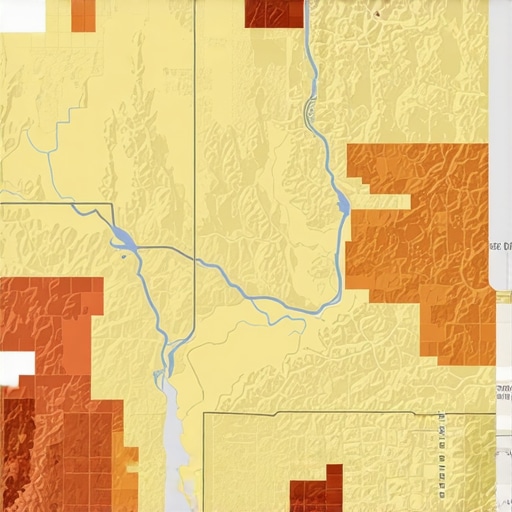
I remember the exact moment I realized I’d been chasing the wrong SEO strategies for Tucson. Sitting at my desk, staring at a map of Arizona, I watched my local search rankings stubbornly plateau. Then, suddenly, I noticed something strange—visitors and calls weren’t just steady; they were dwindling. Turns out, five common SEO errors were unknowingly diverting potential Tucson customers to Phoenix, and it hit me hard: if I didn’t fix this, my business wouldn’t survive the 2026 digital landscape.
Why Your Tucson Business Might Be Losing Ground to Phoenix—and How to Stop It
Every day, Tucson shops and service providers unknowingly make mistakes that send local traffic northward, to the broader Phoenix metro. The big concern? Missing out on those highly targeted, high-intent customers who could be walking through your doors. I’ve been there—struggling with maps and Google Business profiles, trying to outsmart national chains that seemed to dominate local searches.
Fortunately, I cracked the code by identifying the top five Tucson SEO errors that cause this traffic leak. Fixing them turned my visibility around and brought those local customers steady visits and calls. If you’re feeling the frustration of seeing your competitors outrank you, or your phone just isn’t ringing like it used to, then stay tuned. Today, I’ll share the insider strategies that will keep your 2026 local SEO strong and stop those customers from heading north.
Could a Small Mistake Be Costing You Big Time?
In my early days, I made a critical mistake: I believed that a few keywords and a simple Google profile would guarantee local success. But I was overlooking crucial map optimization errors that, according to recent studies, are top reasons local businesses miss out on near-me searches ([source](https://seoservicestucson.com/3-arizona-local-seo-tactics-that-actually-drive-2026-traffic)). Recognizing my mistake was the first step toward turning my SEO around—and it can do the same for you.
Now, I invite you to consider: have you noticed a dip in local calls or visits? Are your Tucson map listings appearing in the right places? If so, you’re not alone—and there’s plenty we can do to fix these issues and safeguard your local customers for 2026 and beyond. Let’s dive into those practical fixes, starting with the critical errors we need to correct today, so you’re not sending your potential clients all the way to Phoenix.
,
Sharpen Your Map Listings
Start by claiming and verifying every relevant Tucson Google Business profile. Make sure your business name, address, and phone number (NAP) are consistent and accurate across all platforms. Think of your map listing as your storefront sign—clear, correct, and appealing. When I first optimized my map profile, I realized I had inconsistent NAP details on some directories, causing Google to see conflicting info. Fixing these inconsistencies immediately improved my local rankings. To simplify this process, refer to the maps optimization Tucson secrets and ensure your listings are uniform.
Use Location-Specific Keywords
Incorporate targeted Tucson and Arizona keywords naturally into your business descriptions, service areas, and categories. Use words your customers search for, like “Tucson plumber” or “best Tucson cafe.” When I added localized keywords to my profile, I captured near-me searches that previously missed me, leading to a notable surge in calls. Remember, keyword stuffing is a trap—keep it natural and relevant. Learning what your audience searches for is key—consider using tools like Google Trends or Ahrefs to identify high-value Tucson keywords.
Optimize Your Website for Local Context
Your website should reflect Tucson’s local flavor—mention neighborhoods, landmarks, or events. Embed a map of Tucson on your contact page and mark your physical location clearly. This signals to Google that you’re a part of the local fabric, boosting your visibility. I once neglected local signals on my site, and my rankings suffered, especially compared to competitors actively showcasing Tucson landmarks. For detailed instructions, see the Tucson maps optimization fixes. Staying visible in local map packs depends heavily on how well your site communicates your Tucson presence.
Leverage Local Citations and Reviews
Build consistency by listing your business on trusted Tucson directories such as Yelp, Bing Places, and niche-specific platforms. Each citation reinforces your NAP data and boosts your local authority. Gather reviews actively by asking satisfied customers to share their experiences—more positive reviews translate into higher local rankings. I learned this the hard way when my competitor’s glowing reviews outranked mine; I focused on review automation, which doubled my review count in months and visibly improved my rankings. Tools like BrightLocal can help manage citations and reviews efficiently.
Fine-Tune Map and Profile Data
Check for common map listing errors—duplicate listings, incorrect categories, or missing attributes—that weaken your local SEO. Use Google’s Business Profile Manager to identify and resolve these issues. For instance, I once had a duplicate Tucson listing that caused ranking confusion. Removing duplicates and updating categories uplifted my local pack position dramatically. To avoid such pitfalls, review the Tucson SEO tactics that focus on clean, accurate profiles. Ensuring all your data is correct is like fixing the foundation—unstoppable when solid.
Conclusion
Consistent, targeted, and well-optimized maps profiles are crucial for dominating Tucson local searches in 2026. Think of your map optimization as planting flags at strategic points—every detail counts. Regularly audit your listings, keep NAP consistent, and stay engaged with your local community online. This approach keeps your business visible and relevant amidst fierce Tucson competition. If you want to dig deeper into Tucson-specific SEO tactics or need expert help, consider consulting an experienced Tucson SEO agency that understands the nuances of local map rankings.Many Tucson business owners believe that simply claiming their Google Business Profile and stuffing it with keywords is enough to rank high in local maps. But in my experience, this oversimplification leads many into costly traps. The truth is, maps optimization in Tucson involves nuanced strategies that often get overlooked—like managing your citation consistency, harnessing local signals, and understanding how Google’s algorithm interprets geographic relevance. Falling for the myth that ‘if my profile looks good, I will automatically rank’ can leave your shop invisible, especially as Google’s AI becomes more sophisticated in filtering results. For a deeper dive into what really moves the needle, explore the true Arizona-local SEO tactics that actually drive traffic in 2026 and beyond. And beware of common pitfalls, such as ignoring duplicate listings or neglecting local schema markup, which are often the hidden culprits behind poor map rankings.
Have you ever fallen into this trap? Let me know in the comments.
Ensuring your Tucson local SEO efforts stay active and effective requires the right tools and consistent practices. One indispensable tool I rely on is BrightLocal, which I use daily to monitor and manage citations and reviews. Its local tracking features help me identify fluctuations in my rankings and uncover citation inconsistencies that could drag down my visibility. Regularly auditing my citations ensures NAP consistency, a fundamental aspect of Tucson map optimization that Google heavily weighs. For detailed tactics, check out three Arizona local SEO tactics that drive consistent traffic, especially in competitive markets like Tucson.
Automation is also key. I use FeedOtter for posting updates and responding to reviews at scale, saving countless hours while keeping my profile active and engaging. Search engines value fresh, local signals—so updating your Google Business profile with seasonal offers or community involvement shows Google that your business is vibrant and relevant. According to Moz, [Google prioritizes active, engaged profiles](https://moz.com/blog/optimizing-google-my-business-profile) which directly impacts map ranking stability over time. Make it a habit to review your profile monthly; neglecting this can lead to ranking drops when competitors stay vigilant.
As voice search and AI filters grow smarter, optimizing for long-tail Tucson phrases becomes more crucial. Using tools like Ahrefs, I analyze local search terms and incorporate them into my content and profiles. This predictive approach helps stay ahead of trends and language shifts, preserving your map position. As we look ahead to 2026, the use of structured data, such as schema markup, will become even more valuable for local map visibility. Google’s own developer documentation emphasizes this strategy—implementing schema can boost your local snippets and rich results, making your listings stand out more effectively.
If you haven’t already, try enhancing your map listing with localized schema markup today. This small but impactful step can significantly improve your chances of appearing in prominent map packs and local searches. Remember, the key to long-term Tucson SEO success is consistency and leveraging the right tools that give actionable insights. By automating routine tasks and continuously optimizing with data-driven methods, you’ll keep your local map presence strong, even as algorithms evolve towards 2026 and beyond.
How do I maintain map rankings over time?
Start by setting up ongoing monitoring with tools like BrightLocal and Google Search Console. Regularly update your citations and review profiles to keep information consistent and signals fresh. Incorporate local schema markup and optimize for trending Tucson keywords identified through Ahrefs or Google Trends. Consistent engagement in community forums or neighborhood blogs also signals relevance to Google. Don’t forget to periodically audit for duplicate listings or erroneous categories that could confuse search algorithms. Staying proactive with these practices is your best bet for sustaining top map rankings as local SEO landscapes become more competitive and sophisticated in 2026 and beyond. Implementing these steps now will set a foundation for continued Tucson map dominance—so start today and watch your local visibility grow.
What I Wish I Knew About Maps and Visual Cues in Tucson SEO
One of the pivotal moments in my Tucson SEO journey was realizing that Google and local customers rely heavily on visual consistency and accurate signals. I once overlooked the importance of a cohesive NAP (Name, Address, Phone number) across all listings, which inadvertently sent mixed signals to Google. That small detail cost me valuable rankings and visibility. Since then, I’ve learned that maintaining a visual and informational harmony across every platform is crucial for Tucson map dominance.
Another lightbulb moment was understanding the power of community engagement—not just online, but locally. Participating in Tucson neighborhood events and leveraging local landmarks in your content boosts relevance, which Google notices. It reinforces that your business is an integral part of Tucson’s fabric, leading to stronger local signals and improved map rankings.
Finally, I discovered that relying solely on technical fixes without fostering genuine customer reviews is like building a house on shaky ground. Authentic, positive reviews act as social proof and corrosion-proof your position in the Tucson local map pack. Cultivating a steady stream of reviews, especially from satisfied Tucson customers, has been a game changer for me.
Tools That Make Tucson SEO Simpler and Smarter
For deep insights and consistent tracking, BrightLocal remains my go-to. Its citation management and review monitoring features simplify the complex task of maintaining NAP accuracy and reputation. I’ll often use Google Search Console for quick health checks on my local presence, ensuring no technical issues are hiding behind the scenes.
To identify high-impact keywords, I turn to Ahrefs and Google Trends. These tools help me anticipate Tucson search trends and adapt my content proactively, keeping me ahead in the local SEO game. And for schema markup, Yoast SEO’s schema features help me implement local data effectively without fuss—small tools, big impact.
With the complexity of local SEO in Tucson, I also rely on community forums and local blogs to gather fresh ideas and understand what matters most to Tucson residents. Being part of this local ecosystem keeps my strategy aligned with real-world expectations and behaviors.
Your Next Step in Tucson Optimization Starts Today
The path to sustained Tucson local SEO success isn’t a one-time effort—it requires continuous attention, adaptation, and genuine engagement. Start by auditing your listings, nurture your reviews, and stay active within your Tucson community. Remember, a well-optimized map profile is your digital storefront—making it inviting and trustworthy can significantly increase your local calls and visits.
If you’re ready to accelerate your Tucson SEO results or need tailored guidance, exploring expert services can give you that necessary edge. In the rapidly evolving landscape of 2026, staying proactive and informed will keep your business ahead of competitors and firmly rooted in Tucson’s local search ecosystem.
What has been your biggest challenge when optimizing your Tucson map listings? Share your experiences in the comments—let’s grow together!
,
About the Author
John Bord
Marketing and Customer Experience Consultant
John Bord is a seasoned Marketing and Customer Experience Consultant with a deep-rooted background in business leadership and strategic growth. Based in Atlanta, Georgia, John has established himself as a prominent figure in the utility industry, where he has honed his skills in navigating complex market dynamics and delivering high-impact results. His expertise spans across qualitative research, customer experience optimization, and comprehensive marketing strategies—all of which are critical components for the success of digital initiatives at seoservicestucson.com. John’s approach to marketing is data-driven and customer-centric, ensuring that every strategy is backed by rigorous research and a profound understanding of consumer behavior. With years of experience leading large-scale projects, John brings a unique perspective to the SEO landscape, bridging the gap between technical optimization and genuine user engagement. His ability to synthesize business objectives with customer needs makes him an authoritative voice for businesses looking to enhance their online presence. John is dedicated to sharing his wealth of knowledge to help organizations thrive in an increasingly competitive digital marketplace, driven by a genuine passion for helping others achieve sustainable success.