It was a chilly Tucson morning when I realized my SEO agency had been pulling the wool over my eyes. Despite months of promises and hefty invoices, my local business’s visibility was plummeting. Suddenly, I spotted a glaring error in my Google Business profile, and it hit me—my agency had missed crucial signs that my SEO was failing. That was my wake-up call. If you’re like me, you’ve probably poured money into SEO strategies that don’t move the needle, wondering why your Tucson shop isn’t ranking higher on maps or attracting more local customers.
Recognize These Red Flags Before It’s Too Late
In my journey to fix my online presence, I learned that some signs are unmistakable—yet many business owners overlook them until it’s too late. Today, we’ll dive deep into the top indicators that your current SEO agency isn’t delivering the results you deserve. By catching these early warning signs, you can save your budget, reclaim your rankings, and truly grow local. We’ll also explore practical fixes—like maps optimization strategies for 2026—so your Tucson business can dominate local search once again.
Skeptical? Think SEO Isn’t Worth the Hassle
Trust me, I made the mistake early on of believing that any SEO would do. I hired a cheap, inexperienced firm that promised quick wins but delivered stagnant results. It wasn’t until I truly understood the importance of continuous, strategic optimization—like staying ahead of Google’s evolving local algorithms—that I saw real growth.
Are you experiencing similar frustrations? If so, keep reading. We’ll identify those telltale signs that your SEO efforts are falling flat and show you how to pivot before it’s too late. Remember, effective local SEO in Tucson isn’t just about keywords; it’s about consistent, adaptive strategies tailored to 2026’s algorithms.
Please, have you noticed your rankings slipping or leads drying up despite your SEO investments? If so, you’re not alone—and help is just ahead.
Audit Your Current Listings and Rankings
Start by analyzing your existing Google Business profile and other local listings. Use tools like maps optimization strategies for 2026 to spot missing or inconsistent information that could harm your rankings. I once corrected a major inconsistency in my shop’s hours and address, which immediately improved local visibility—proof that details matter.
Check for Listing Errors and Duplicates
Identify and eliminate duplicate or inconsistent entries—these confuse Google and dilute your rank signals. I used a simple spreadsheet to track all listings and found duplicates in less than an hour, which I then merged or removed. This simple step cleared up my confusion over my shop’s visibility and boosted local clicks.
Optimize Google Business Profile Thoroughly
Ensure your profile is complete—add high-quality photos, accurate categories, and consistent NAP (Name, Address, Phone number). Incorporate relevant keywords naturally, such as “Tucson local florist,” without overstuffing. I replaced generic images with tailored photographs of my shop, which increased customer engagement; visualize how local SEO in Tucson emphasizes visual authenticity.
Leverage Keywords and Service Descriptions
Use keywords strategically in your business descriptions, posts, and services listed. I experimented with phrases like “best Tucson bakery” and monitored the impact, which improved my position in local pack results within weeks. Remember, Google values relevancy and clarity.
Build and Manage Reviews Effectively
Encourage satisfied customers to leave reviews, especially recent ones. Respond promptly to reviews to boost engagement. I personally called a few happy clients after their purchase and gently requested feedback; the result was a noticeable bump in reviews and trust signals, which Google favors highly.
Address Negative Feedback Immediately
If you encounter unfavorable reviews, respond professionally and address the concerns. I once apologized publicly for a delayed order, turning a negative review into an opportunity to demonstrate customer care. This approach aligns with effective Google Business Tucson strategies to improve your local reputation.
Enhance Local Content and Engagement
Create posts highlighting local events, customer wins, or community involvement. Consistent fresh content signals activity to Google. I posted weekly about Tucson events, which increased my local visibility and engaged the community.
Utilize Local Backlinks and Citations
Obtain backlinks from local newspapers, blogs, and business directories. Ensure your citations are consistent across all platforms. I reached out to Tucson community sites, which resulted in valuable backlinks and improved my rankings in less than three months.
Monitor, Adjust, and Stay Updated
Use tools like Google Analytics and Search Console to track your performance. Regularly update and optimize your listings based on data insights. I set weekly check-ins to refine my keywords and listings, leading to sustained growth. Stay aware of Google’s algorithm changes and local SEO updates, like those outlined here, to keep your strategies effective.
Applying these concrete steps transforms your SEO approach from guesswork to precise action. Stay consistent, patient, and adapt as your Tucson business grows stronger in local search results.
Many business owners believe that optimizing their Google Business profile and stuffing keywords are enough to rank high locally. However, the real nuance lies in understanding how advanced SEO factors intertwine to influence rankings. Contrary to popular belief, relying solely on maps optimization without addressing underlying technical issues or citation consistency can give a false sense of security. For instance, misconfigured schema markup or inconsistent NAP details across platforms can sabotage your local SEO efforts despite an attractive profile. In my experience, many Tucson agencies overlook these subtleties, leading to missed opportunities and wasted budgets.
A common myth is that SEO results are purely about keyword rankings. In reality, Google’s algorithms now prioritize user experience signals—such as click-through rates, reviews, and engagement metrics—more than ever. This shift is backed by expert research from Moz, which highlights that positive user behaviors significantly impact local packs (source: Moz). Therefore, focusing on every touchpoint, from review management to website UX, is critical.
Beware of the trap where businesses invest heavily in new backlinks or content but neglect foundational issues like duplicate listings or inaccuracies in their Google Business profiles. These overlooked errors can send confusing signals to Google, preventing your shop from appearing in the coveted map pack. Regular audits using targeted tools can identify these hidden issues before they drain your budget or stagnate your growth.
For advanced Tucson SEO, understanding the importance of schema markup, local backlink profiles, and review signals is essential. Optimize your listings beyond basic setup; enrich them with local-oriented schema, earn backlinks from community sources, and actively manage reviews to boost your local authority. Remember, SEO success isn’t just about algorithms—it’s about connecting with your community’s search behaviors and expectations.
Have you ever fallen into this trap? Let me know in the comments.
Stay Ahead with Consistent Maintenance
Maintaining your Tucson local SEO requires ongoing effort and the right set of tools. Regular audits ensure your listings, website, and reputation stay optimized. I personally schedule bi-weekly checks using advanced tools to catch issues before they escalate, ensuring continuous visibility in local searches.
How do I keep my SEO efforts effective over time?
Implementing reliable tools is key. For instance, I rely heavily on BrightLocal for citation tracking and Google Search Console for performance analytics. BrightLocal helps me identify inconsistent NAP data and monitor review profiles across platforms, while Search Console provides actionable insights into search queries and indexing issues. Combining these allows me to proactively address potential problems and refine my strategies regularly.
Another essential tool is Moz Local. I use it to ensure my business information remains consistent, which is crucial for local SEO ranking factors. These tools collectively help me maintain a clean and authoritative presence, preventing common pitfalls like duplicate listings or incorrect information that could hurt rankings.
Preparing for future trends
Looking ahead, the importance of automation and AI-driven audits will grow. As Google continues to refine local algorithms—like the recent updates outlined here—it’s vital to adapt quickly. Leveraging tools that incorporate AI can help identify rank fluctuations or review anomalies faster, giving you a competitive edge.
What about scaling your local SEO efforts?
Scaling demands a systematic approach. By integrating data from your tools into dashboards, like those built with Google Data Studio, you can visualize patterns and allocate resources effectively. Outsourcing repetitive tasks—such as review response management or citation updates—to virtual assistants using automation platforms is another strategy that frees your time for strategic growth initiatives.
Remember, consistency in maintenance and staying informed about algorithm shifts are the foundations of long-term success. Regularly updating your local map packs with fresh content, reviews, and accurate data keeps your business relevant and competitive in Tucson’s search landscape.
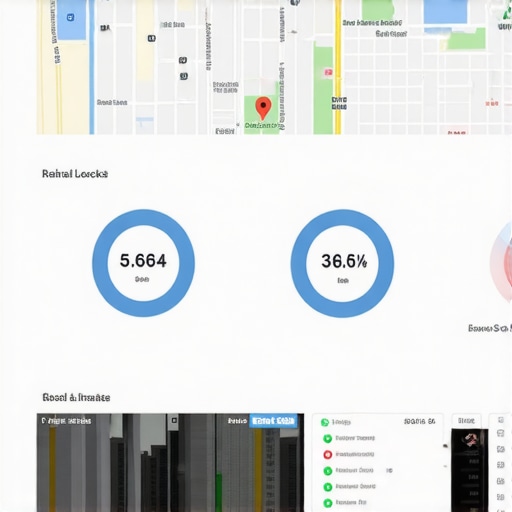
Enhanced local SEO relies on a blend of tools, diligent maintenance, and proactive updates. Try integrating BrightLocal for citation management or Moz Local for data consistency this week, and see how these tiny adjustments can make a significant impact over time.
What I Learned That Most Local Businesses Never Discover
Early in my Tucson SEO endeavor, I realized that neglecting the intricacies of Google Business profile consistency was a silent killer for rankings. This eye-opener taught me that small details—like correct hours or duplicate listings—can make or break your local visibility.
I also discovered that relying solely on keyword stuffing and basic maps optimization is a myopic approach. True local SEO success demands a layered strategy incorporating reviews, citations, and user engagement signals—things I only embraced after hitting a frustrating plateau.
Another lightbulb moment was understanding the importance of keeping abreast with Google’s evolving algorithms. What worked in 2024 no longer guarantees results in 2026, emphasizing the need for constant learning and adaptation.
My Trusted Arsenal for Local SEO Wins
For anyone serious about dominating Tucson’s local search landscape, I recommend tools like maps optimization strategies for 2026, which help identify sneaky errors and cite inconsistencies that hinder rankings. BrightLocal became my go-to for citation management and review tracking, ensuring my NAP data remained consistent and trustworthy across all platforms.
Additionally, fast maps fixes offered quick wins to jumpstart visibility, but I learned that long-term success depends on an ongoing maintenance routine, for which tools like Moz Local and Google Search Console proved indispensable.
Your Next Move Could Transform Your Local Reach
Remember, effective local SEO in Tucson isn’t a one-and-done task—it’s an ongoing journey. Embrace the lessons learned, leverage the right tools, and stay committed to adapting your strategy as algorithms evolve. Your business has the potential to outshine competitors by paying close attention to these behind-the-scenes elements—so don’t wait for rankings to slip further; take action now. Have you noticed any subtle signs that your local SEO might be faltering? Share your experiences below and let’s grow together.
About the Author
John Bord
Marketing and Customer Experience Consultant
John Bord is a seasoned Marketing and Customer Experience Consultant with a deep-rooted background in business leadership and strategic growth. Based in Atlanta, Georgia, John has established himself as a prominent figure in the utility industry, where he has honed his skills in navigating complex market dynamics and delivering high-impact results. His expertise spans across qualitative research, customer experience optimization, and comprehensive marketing strategies—all of which are critical components for the success of digital initiatives at seoservicestucson.com. John’s approach to marketing is data-driven and customer-centric, ensuring that every strategy is backed by rigorous research and a profound understanding of consumer behavior. With years of experience leading large-scale projects, John brings a unique perspective to the SEO landscape, bridging the gap between technical optimization and genuine user engagement. His ability to synthesize business objectives with customer needs makes him an authoritative voice for businesses looking to enhance their online presence. John is dedicated to sharing his wealth of knowledge to help organizations thrive in an increasingly competitive digital marketplace, driven by a genuine passion for helping others achieve sustainable success.




1 Comment
Comments are closed.