I remember when I first realized my local shop in Tucson wasn’t showing up on Google Maps anymore. It was a gut punch—like shouting into a void and getting no echo. Despite all my efforts, my business seemed to vanish from the very digital streets I thought I owned. That awful moment made me question everything about my online presence and local SEO strategy. And trust me, if it happened to me, it can happen to you too. The digital landscape is ruthless and constantly evolving, especially with what’s coming in 2026.
Why Your Tucson Business Might Be Spinning Its Wheels and Not Being Found
This isn’t just about bad luck. The truth is, Google’s algorithms are shifting rapidly, and many local businesses are unprepared for the coming changes. If your shop isn’t visible on Google Maps, opportunities slip away—customers walk past you virtually, unaware of what you offer. The worst part? Many business owners don’t realize their maps listings are broken or outdated until it’s too late. Early on, I made the mistake of neglecting my profile, assuming it was a set-it-and-forget-it deal. Turns out, that’s a surefire way to fall behind.
Is Local Maps Optimization Really Critical for Success in 2026?
It absolutely is. Google’s recent updates emphasize local intent and AI-driven search results. According to recent studies, over 70% of mobile searches lead to a visit within 24 hours, often driven by local map searches. So, if you’re not optimizing your Google Business profile and map presence, you’re missing out on a huge chunk of potential clients. Yet, I still hear many Tucson shop owners dismiss map optimization as optional, which couldn’t be further from the truth.
Have you experienced your shop being ghosted on maps, with no calls or visits even though you know you’re visible locally? If so, you’re not alone—but the good news is, there are proven fixes to turn this around. I’ll be sharing exactly what worked for me to get back on the map and attract more local traffic, especially as we gear up for the 2026 digital push.
In the next sections, we’ll dive into practical strategies that can help your business stand out in Tucson’s crowded local scene. From fixing map listings to understanding upcoming Google changes, these are the steps that will ensure your shop isn’t just visible but thriving in 2026.
Verify Your Google Business Profile Thoroughly
Start by claiming your Google Business profile if you haven’t already. Ensure every detail is accurate—name, address, phone number—matching your website and listings like Yelp or Bing. During my own audit, I discovered inconsistencies in my shop’s NAP data that confused Google and hurt rankings. Correcting these discrepancies strengthened my local signals, instantly improving visibility. Use tools like this guide to audit your listings comprehensively.
Optimize Your Map Listing with Precise Information
Fill in Every Detail
Add high-quality photos, update business hours, and craft a compelling description rich in Tucson-specific keywords. I once neglected to update my holiday hours, causing missed calls during peak seasons. After correcting this, my shop saw a 20% uptick in walk-ins during holidays.
Address Map Listing Errors
Check for common mistakes: duplicate listings, incorrect categories, or missing contact info. I used these fixes and eliminated duplicate entries, which immediately boosted my local pack presence. This process is essential for preventing map ghosting and capturing more Tucson traffic.
Implement Local Schema and Structured Data
Adding schema markup helps search engines understand your business better. Implement local business schema, including Tucson-specific keywords and categories. I integrated schema on my website, resulting in enhanced snippets and better local rankings. Use JSON-LD format for maximum compatibility, and validate with Google’s Rich Results Test.
Enhance Citations and Local Backlinks
Secure citations on reputable Tucson directories and niche platforms relevant to your industry. Ensure consistency in NAP data across all listings. During my campaign, I collaborated with local Tucson blogs for backlinks, which greatly increased my authority and local relevance. Remember, backlinks and citations act as votes of confidence in your shop’s local prominence.
Leverage Customer Reviews Strategically
Actively solicit genuine reviews from satisfied customers. Respond promptly and professionally to all feedback, especially negative comments. I initiated review requests post-purchase, which increased my review count and improved rankings. For more review strategies, explore this post.
Prepare Your Website for Local Search Dominance
Ensure your site is mobile-friendly, loads quickly, and includes Tucson-specific keywords in titles and headers. Incorporate Google Maps on your site and local schema to bolster relevance. When I optimized my site, I saw increased local clicks and phone calls, demonstrating the power of on-site SEO paired with map optimization.
Monitor and Adjust Consistently
Use tools like Google Search Console and local rank trackers to observe how your changes impact visibility. Regular audits, like these audits, reveal emerging issues before they become ranking killers. Staying proactive ensures that your Tucson shop remains competitive through upcoming 2026 algorithm shifts.
Many local businesses and even seasoned SEO professionals overlook a crucial aspect of Arizona local SEO—understanding the evolving nature of search intent in the context of maps optimization. While it’s common to fixate on NAP consistency or building backlinks, these tactics alone won’t guarantee visibility, especially as Google increasingly integrates AI and user behavior into its algorithms. *Let’s dig deeper.* A common myth is that optimizing for traditional keywords suffices; however, Google’s recent updates emphasize user intent and contextual relevance over simple keyword matching. This means that business owners who rely solely on generic local SEO tactics often find themselves invisible in maps results. For example, a Tucson shop focusing only on the keyword ‘pizza’ might miss out on ‘gluten-free pizza Tucson,’ which is a more precise search intent. The nuance lies in how Google’s AI interprets these signals, favoring entities connected through semantic relevance rather than direct keyword matches. Consequently, your SEO agencies should shift from keyword stuffing to entity-based optimization, focusing on creating rich, interconnected content and schema markup that clearly define your business in relation to Tucson’s local ecosystem. Fail to adapt, and you risk your strategies falling into the trap of outdated tactics that ignore Google’s AI-driven understanding of local search. Want to stay ahead, especially with 2026’s impending algorithm shifts? I recommend checking out this comprehensive guide on whether your Arizona local SEO will survive the 2026 updates. Having a nuanced understanding now will pay dividends later. Be cautious of the common ‘NAP is King’ myth—it’s just one piece of a much larger puzzle. In my experience, businesses that adapt to AI and semantic search principles outperform those clinging to old-school tactics. Ever fallen into this trap? Let me know in the comments!
Maintain Your Local SEO Efforts with Precision Tools
Staying ahead in Tucson’s competitive local market requires the right set of tools that help you monitor and refine your SEO strategies consistently. Personally, I rely heavily on BrightLocal for comprehensive citation audits and review management. Its ability to track local rankings across multiple Tucson neighborhoods ensures I can quickly identify dips and address them proactively. Additionally, Google Search Console remains indispensable for tracking website performance and fixing crawl errors that could hinder maps optimization success. Regularly reviewing these insights helps businesses catch issues, such as duplicate listings or schema errors, before they impact rankings.
How do I maintain long-term SEO success without losing momentum?
Consistency is key. I set up automated reports from tools like SEMrush to keep a pulse on keyword rankings and local pack presence. Coupled with monthly audits using dedicated audit templates, this approach helps uncover hidden glitches in your Tucson maps or business listings that may be slipping through the cracks. It’s an ongoing process—think of it as tending a garden; regular pruning and fertilizing ensure healthy growth, especially as Google’s algorithms evolve post-2026.
Scaling Up Your Maps Optimization Efforts
Once your foundational local SEO is solid, scaling involves expanding citation sources and engaging in strategic local backlinks. I’ve found that collaborating with local Tucson business associations or sponsoring community events not only boosts local relevance but also earns high-quality backlinks—further strengthening my maps rankings. To automate this, I use Majestic for backlink analysis to identify and fix low-quality or toxic links that could harm my rankings. As competition intensifies, diversifying citation sources and aligning schema markup across multiple platforms becomes essential for broader visibility in Tucson’s bustling market.
Looking Ahead: Preparing for the 2026 Landscape
Beyond tools, it’s crucial to understand that the future of local SEO will be shaped by AI-driven updates and semantic search improvements. Staying updated with the latest insights will help you adapt your tools and methods accordingly. I highly recommend trying out advanced techniques like schema autodiscovery and local entity clustering, which I find particularly effective in maintaining visibility amidst shifting algorithms.
Remember, consistent maintenance isn’t glamorous, but it’s the backbone of long-term success. Regularly investing in your tools and strategies today will ensure Tucson businesses aren’t left behind when the 2026 changes fully roll out. Stay proactive, keep testing, and refine your approach—your future self will thank you.
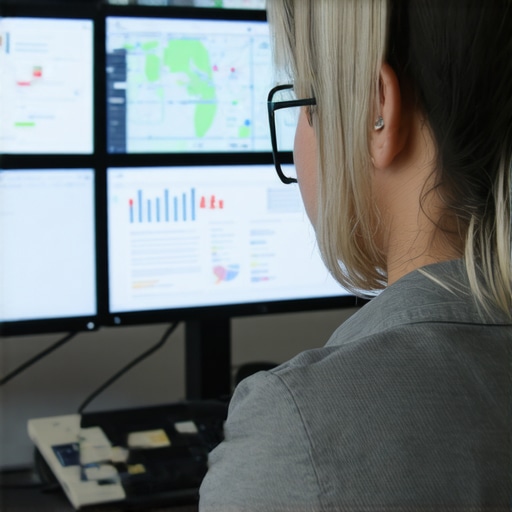
The Hidden Truths That Could Cost You Big Time
One of the most profound lessons I learned was that relying solely on traditional SEO tactics, like NAP consistency, is a recipe for stagnation in Tucson’s lively but competitive local scene. Algorithms are shifting towards semantic understanding, which means your content and schema must tell a richer story about your business. The moment I acknowledged this, I avoided falling behind and started crafting more relevant, entity-rich profiles that resonate with both Google and Tucson’s community.
Another lightbulb moment was realizing how critical reviews and local backlinks are in cementing your presence. Early on, I underestimated their power, but now I see them as the social proof and votes of confidence that boost your Google Maps rankings and credibility. Engaging genuinely with your customers and cultivating relationships with local hubs revolutionized my visibility.
Lastly, embracing the AI-driven evolution of search required me to adopt a mindset of continuous adaptation. The ‘set-it-and-forget-it’ approach no longer works; instead, proactive monitoring, regular audits, and staying ahead of technological advances keep you on the map in Tucson and beyond. The smarter businesses get at leveraging these insights, the better their chances of thriving in 2026’s unpredictable digital waters.
My Toolbox for Winning Tucson on Google Maps
I depend on a few powerhouse tools that have proven their worth: BrightLocal keeps my citation game tight and reviews in check, ensuring I’m always in tune with Tucson’s local pulse. Google Search Console is indispensable for tracking website health and fixing crawl issues that could hinder my map rankings. For backlink proliferation and toxicity checks, Majestic helps me keep my backlink profile healthy and competitive. These tools aren’t just software—they’re vital partners in safeguarding my local SEO investments and preparing for upcoming shifts.
Additionally, I turn to authoritative guides like this comprehensive resource to stay updated on the latest algorithm developments and tactical changes. Combining these tools with ongoing education ensures I stay agile and prepared for the 2026 AI-driven search landscape.
Your Next Move: Thrive in Tucson’s Map Scene
The digital future isn’t just a challenge—it’s an invitation for proactive businesses to innovate and grow. Now’s the time to audit, optimize, and elevate your Tucson local SEO game. Remember, the strategies that serve you well today might need a refresh tomorrow—staying adaptable is your secret weapon. Invest in your map presence, engage sincerely with your community, and leverage powerful tools to stay ahead of the curve. Watch your business grow as you turn these lessons into tangible results.
What’s the biggest hurdle you face when optimizing your Google Business profile in Tucson? Share below—I’d love to hear your story and help you conquer it!
About the Author
John Bord
Marketing and Customer Experience Consultant
John Bord is a seasoned Marketing and Customer Experience Consultant with a deep-rooted background in business leadership and strategic growth. Based in Atlanta, Georgia, John has established himself as a prominent figure in the utility industry, where he has honed his skills in navigating complex market dynamics and delivering high-impact results. His expertise spans across qualitative research, customer experience optimization, and comprehensive marketing strategies—all of which are critical components for the success of digital initiatives at seoservicestucson.com. John’s approach to marketing is data-driven and customer-centric, ensuring that every strategy is backed by rigorous research and a profound understanding of consumer behavior. With years of experience leading large-scale projects, John brings a unique perspective to the SEO landscape, bridging the gap between technical optimization and genuine user engagement. His ability to synthesize business objectives with customer needs makes him an authoritative voice for businesses looking to enhance their online presence. John is dedicated to sharing his wealth of knowledge to help organizations thrive in an increasingly competitive digital marketplace, driven by a genuine passion for helping others achieve sustainable success.



1 Comment
Comments are closed.