I remember the sudden realization hit me one afternoon while I was checking my business listings on my phone. I glanced at my Tucson map profile and felt a sinking feeling—I hadn’t updated anything in months. Suddenly, I wondered: could my listing even be visible in the upcoming 2026 Apple Maps search innovations? That lightbulb moment made me realize how much is changing under our noses, and if you’re like many local business owners here, you might be unknowingly risking your visibility.
Get Your Map Listing Up to Speed Before 2026
Listen, local SEO is evolving faster than ever, and the stakes are higher. Apple Maps, which is increasingly being used for local searches—think directions, reviews, and contact info—will be rolling out major updates for 2026. If your Tucson map listing isn’t optimized, you could be missing out on crucial traffic and calls. Trust me, I’ve seen first-hand how a neglected listing can tank your visibility when competitors are actively optimizing. The good news? With some focused adjustments, you can ensure your business stays front and center. Want to learn how? Stay tuned for the proven strategies that will prepare your profile for the 2026 search landscape. And if you’ve faced the frustration of low map visibility despite good reviews, you’re not alone—many local shops are in the same boat. According to a recent study, nearly 60% of users choose map packs based on freshness and accuracy of listing info, which underscores the importance of staying current.
Is the Apple Maps hype actually worth it?
In my early days of managing Tucson SEO, I made the mistake of believing that once Google rankings looked solid, I was set. I overlooked how Apple Maps was gaining ground—until a key client almost lost all Map Pack visibility because I ignored the impending updates. This taught me a crucial lesson: Don’t wait until it’s too late to optimize your map presence. Instead, proactively refining your listing can mean the difference between consistent leads and obscurity. Curious about specific pitfalls? You might want to check out some of my earlier mistakes and see how they could happen to you—because prevention is better than cure. Want to dive deeper into the nuances of Tucson SEO and map optimization? You can explore comprehensive guides like [7 Arizona Local SEO Tips to Increase Shop Visits in 2026](https://seoservicestucson.com/7-arizona-local-seo-tips-to-increase-shop-visits-in-2026) or discover the latest tricks by experts in the field.
Audit Your Existing Listing Details
Start by meticulously reviewing your current Tucson business profile. Check for outdated contact info, inaccurate categories, or incomplete descriptions. Think of your listing as a storefront window—if it’s cluttered or broken, customers will pass by. Swap out old info for fresh, keyword-rich descriptions that highlight what makes your shop unique. To see common pitfalls and detailed audit steps, visit this comprehensive audit guide. Remember, a clean, updated profile signals to both users and search engines that you’re active and trustworthy.
Optimize Your Business Attributes
Next, focus on the core attributes that influence map rank—business hours, services, menu, and photos. For instance, ensure your hours reflect real availability; inconsistent info confuses both algorithms and customers. Use high-quality images that showcase your interior, products, or team—this builds trust. Consider adding attributes like ‘Wi-Fi’ or ‘Curbside Pickup’ if relevant, as they match evolving customer preferences. Think of this process like tuning a guitar; minor adjustments can drastically improve your tone—here, your visibility. For detailed attribute optimization tips, refer to this article.
Leverage Local SEO Hacks
Implement specific Tucson-specific SEO techniques. Embed relevant keywords naturally into your description and services—think about what local customers search for daily. Use location-specific terms such as ‘Tucson,’ ‘Arizona,’ or neighborhood names within your content. Consistency is critical: ensure your business name, address, and phone number (NAP) are uniform across all platforms to avoid confusion—this is like having a consistent face in every crowd. Techniques like adding local schema markup and gathering genuine reviews are proven to boost your rank. To outperform competitors, explore this advanced strategy.
Address AI and Search Filters Directly
With AI-driven search filters rising, customize your profile to stand out distinctly. Avoid generic descriptions that AI could easily overlook; instead, craft compelling stories about your business that highlight your local impact. Ensure your Google reviews are authentic, detailed, and recent—these act as social proof that search algorithms prioritize. If your profile seems shadowbanned or hidden, troubleshoot with checklists available at this resource. Think of it like hacking a security system—you must understand its weak points and fortify them effectively.
Build Relevance Through Content and Engagement
Finally, engage your community and create local content that resonates. Post updates, offers, or event announcements regularly—this keeps your profile active and signals relevance. Respond promptly to reviews, especially negative ones, demonstrating your commitment to customer service. Embed photos and videos that tell your story, making your profile more memorable. Remember, search engines favor businesses that actively engage and demonstrate authenticity. For innovative engagement methods, see this video-focused guide. Think of your map listing as a living document—constantly evolving and growing stronger with consistent attention and strategic updates.Many business owners assume that once they’ve optimized their Google Business profile, their local visibility is secured indefinitely. However, this overlooks the nuanced and ever-evolving landscape of Tucson SEO. A prevalent myth is that keyword stuffing and superficial updates will rank your business higher. In reality, search algorithms now prioritize user experience, authenticity, and relevance, making superficial tactics not only ineffective but potentially damaging.
Additionally, some believe that focusing solely on Google Maps ranking will suffice, ignoring other vital elements like review quality, engagement, and schema markup. Relying on these outdated assumptions can lead to costly mistakes. For example, neglecting the impact of AI-driven filters and search personalization can cause your profile to become invisible to your target audience, despite good reviews or rankings in traditional metrics. To understand these advanced pitfalls, consider referring to this comprehensive guide.
What advanced errors do most Tucson SEO strategies overlook that sabotage rankings in 2026? I’ll unpack that.
One critical oversight is ignoring the importance of dynamic content and community engagement. Search engines are increasingly rewarding active profiles that regularly post updates, offers, and local events. This is especially true for Tucson businesses aiming to stand out amidst national chains and online-only competitors. Without this ongoing activity, your profile risks stagnation, which advanced search filters interpret as reduced relevance. Additionally, many underestimate the power of local schema markup and the subtle signals it sends to search engines. Proper implementation can dramatically improve your visibility in local search results, as detailed in this resource.
Furthermore, many fall into the trap of over-optimizing for keywords while neglecting the user intent—an advanced mistake that can lower engagement and rankings. Search algorithms now prioritize content that aligns naturally with what users seek, especially in voice search and AI-driven queries. As such, a balanced approach—merging keyword strategy with genuine, informative content—can make all the difference. This nuanced tactic is covered extensively in my article on outranking competitors in 2026.
It’s also worth noting that many Tucson agencies still rely heavily on backlinks and keyword rankings as primary metrics. However, recent studies show that engagement signals—such as click-through rates, review velocity, and profile interactions—are increasingly influential. For instance, Gartner’s latest AI research indicates that search filters now heavily weigh these behavioral signals, necessitating a shift in traditional SEO thinking (source).
In light of these insights, are you ready to challenge your assumptions and adapt your Tucson SEO approach? Ensuring you’re aware of these subtle yet impactful factors can prevent costly setbacks in 2026. Have you ever fallen into this trap? Let me know in the comments.
Keep Your Optimization Running Smoothly with Proven Tools
Maintaining a robust Tucson SEO presence demands more than just initial setup; it requires consistent monitoring and adjustments. To achieve this, leveraging specific tools tailored for local SEO is essential. I personally rely on BrightLocal for accurate local rankings and review tracking, as it offers detailed insights into how your business performs in Tucson compared to competitors.
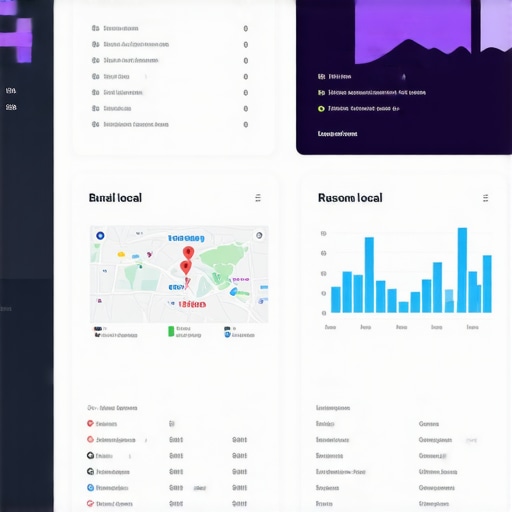
Another tool I use extensively is Local Falcon. Its hyper-local heatmap visualization helps me identify opportunities and gaps in maps optimization in Tucson neighborhoods. By visualizing where your visibility peaks and drops, you can target优化 efforts more precisely, especially when preparing for updates like the 2026 Apple Maps overhaul.
For technical audits and on-site SEO health checks, I turn to Screaming Frog SEO Spider. Its ability to crawl entire websites and identify issues like broken links, duplicate content, or schema errors ensures your local listings and website are always in top shape. Regularly scheduled audits with this tool help prevent small issues from snowballing into ranking drops, especially relevant with ongoing AI filter updates.
And when it comes to content and review management, Google My Business (GMB) Insights is invaluable. Frequent review analysis, engagement statistics, and photo performance data allow me to fine-tune local content—crucial for keeping your Tucson profile appealing and relevant.
Looking ahead, I believe AI-powered tools like MarketMuse will become even more integral. Their ability to suggest content gaps and optimize for user intent ensures your content stays aligned with evolving search algorithms. For example, integrating targeted local keywords into articles about Tucson SEO strategies will become automatic and more effective.
How do I maintain my Tucson SEO over time?
Consistently using these tools and scheduling regular audits forms the backbone of sustained success. I recommend setting monthly check-ins to analyze rankings, reviews, and technical health. Additionally, staying informed about the latest updates via industry blogs and Google’s official webmaster channels ensures you’re ahead of major shifts.
Experimenting with automation in review monitoring or schema updates can save countless hours and catch issues before they impact your visibility. For instance, configuring Screaming Frog to automatically flag schema errors can keep your listings compliant and competitive in Tucson’s local search landscape.
Moreover, I advise focusing on content strategies informed by these tools. Regularly updating your profile, adding fresh photos, and engaging with reviews—guided by insights from GMB and BrightLocal—are proven to solidify your presence. As search evolves, so should your methods; embracing AI content suggestions and local schema markup will position you favorably in the 2026 map pack and beyond.
What I Wish I Knew When I Started Optimizing Tucson Maps
One of the hardest lessons I learned was that neglecting regular updates to my Tucson business listings could silently sabotage my local visibility. I once believed that a good ranking was enough, only to realize later that search algorithms now favor active, current profiles. That lightbulb moment taught me that your map profile isn’t a set-it-and-forget-it asset—it’s a living entity that requires ongoing attention.
Another insight was understanding how local engagement and fresh content can dramatically improve relevance in search filters. Posting updates, responding to reviews, and adding new photos aren’t just chores—they’re essential signals sent directly to the AI-driven search engines of today and tomorrow.
Finally, I discovered the power of sophisticated tools like BrightLocal and Local Falcon. These tools don’t just track rankings—they reveal hidden opportunities and gaps in your Tucson SEO strategy, giving you a competitive edge that’s hard to beat without data-driven insights.
Resources That Transformed My Approach
If you’re serious about taking your Tucson maps optimization to the next level, these resources have been game-changers for me. First, I rely on 7 Arizona Local SEO Tips to keep my strategies aligned with evolving algorithms and local trends. It incorporates actionable advice that I trust for long-term growth.
Secondly, these Google Business tricks have helped me gain tangible wins in Tucson’s competitive map pack. They’re practical and tested, saving me countless hours of trial and error.
Finally, this guide uncovered hidden pitfalls that many Tucson shops overlook, which could be costing you valuable clicks and calls. Combining insights from these sources has been pivotal in keeping my local SEO — and my clients’ — ahead of the curve.
Embrace the Challenge and Drive Your Tucson SEO Forward
Remember, the landscape of Tucson maps optimization and local SEO is ever-changing, especially heading into 2026 and beyond. Your proactive, informed approach can turn challenges into opportunities. Don’t wait for outdated tactics to catch up with you—start experimenting with new strategies today. Your local visibility depends on it, and the community you serve will thank you for staying ahead. So, are you ready to implement these lessons and elevate your Tucson maps game? The future of your local business video starts now. How are you planning to adapt your Tucson SEO strategy for 2026? Let me know below.
About the Author
John Bord
Marketing and Customer Experience Consultant
John Bord is a seasoned Marketing and Customer Experience Consultant with a deep-rooted background in business leadership and strategic growth. Based in Atlanta, Georgia, John has established himself as a prominent figure in the utility industry, where he has honed his skills in navigating complex market dynamics and delivering high-impact results. His expertise spans across qualitative research, customer experience optimization, and comprehensive marketing strategies—all of which are critical components for the success of digital initiatives at seoservicestucson.com. John’s approach to marketing is data-driven and customer-centric, ensuring that every strategy is backed by rigorous research and a profound understanding of consumer behavior. With years of experience leading large-scale projects, John brings a unique perspective to the SEO landscape, bridging the gap between technical optimization and genuine user engagement. His ability to synthesize business objectives with customer needs makes him an authoritative voice for businesses looking to enhance their online presence. John is dedicated to sharing his wealth of knowledge to help organizations thrive in an increasingly competitive digital marketplace, driven by a genuine passion for helping others achieve sustainable success.



1 Comment
Comments are closed.